

15 Supporting Documents for Nigerian Students to Travel or to Study Abroad

Nigeria occupies third place in the world in terms of sending international students after China and India, according to a ranking published in 2023 by UNESCO, despite having a population less than six times that of China and India. It is expected that 150,000 to 200,000 Nigerians will be studying abroad by 2026, out of whom around 90,000 will be in the UK while the number was only around 20,000 eight years ago.
This is not possible simply because of your ambitions. Whether you are planning to go abroad for a degree or for a short visit, it is mostly the documentation that decides whether your process goes easily or not.
Here are the 15 supporting documents that a Nigerian should have before visiting or studying abroad.
Table of Contents
15 Supporting Documents for Nigerian Students to Travel or to Study Abroad
1. International Passport
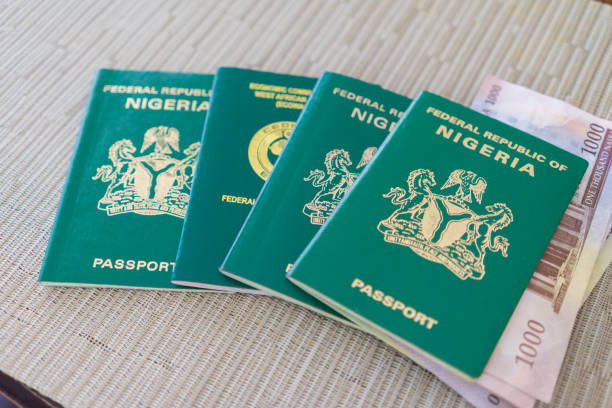
Your Nigerian international passport is the basic requirement for every visa application and flight booking, and most embassies require at least 6 months of validity remaining beyond your travel date. Apply through the Nigeria Immigration Service well ahead of any deadline, since processing backlogs are common.
2. Admission or Acceptance Letter
Your university’s official offer letter is what triggers almost everything else on this list, from your visa application to your accommodation booking. Keep both conditional and unconditional versions if you received both, since some embassies want the full trail, not just the final letter.
3. Student Visa or Study Permit
What this looks like depends on your destination: a CAS reference number for the UK, an I-20 for the US, or a study permit for Canada.
As of 2026, Canada also requires most undergraduate and diploma applicants to include a Provincial Attestation Letter, though master’s and PhD applicants have been exempt from that requirement since January 1, 2026.

4. Proof of Funds or Financial Sponsorship
Visa officers want evidence that you, or your sponsor, can cover tuition and living costs usually a recent bank statement, sponsorship letter, or loan approval. Canada’s threshold alone now sits close to CA$22,895 for a single applicant on top of tuition, so check your destination’s current figure rather than an outdated one.
5. WAEC, NECO, or GCE Results
For undergraduate applications, your O-level results confirm you completed secondary education to the standard your destination expects. Submit certified originals where possible, and request a scratch card or verification code if your university wants to confirm results directly with WAEC.
6. Academic Transcripts and Degree Certificates
Postgraduate applications lean heavily on these to confirm both your grades and that you actually hold the degree you’re claiming. Order them early from your institution’s records office, since some Nigerian universities take several weeks to process transcript requests.
7. English Proficiency Test Scores
Unless your prior education was entirely in English, most universities want IELTS, TOEFL, PTE, or Duolingo scores, each with its own accepted range depending on the institution. Book your test date early, slots in Lagos and Abuja fill up fast during peak application months.
8. Statement of Purpose
This is where you explain, in your own words, why this course, why this university, and how it fits your goals. Skip the generic template; admissions officers read hundreds of these and can usually tell when one wasn’t written for their specific program.
9. Letters of Recommendation
Most programs ask for two or three, usually from lecturers or employers who can speak to your ability rather than just your character. Give your recommenders plenty of notice and a short brief on the program, so the letter is targeted rather than vague.
10. CV or Resume
A clear academic and work history helps admissions officers, and later visa officers, build a consistent picture of who you are and why you’re travelling. Keep it factual and consistent with every other document here, mismatched dates are a common trigger for extra scrutiny.
11. Yellow Fever Vaccination Card
Nigeria is classified as a yellow fever risk country, so most destinations require your International Certificate of Vaccination, commonly called the yellow card, before you can board or clear immigration. Get vaccinated at least ten days before travel, since the certificate isn’t valid until the vaccine has had time to take effect.
12. Travel or Health Insurance
Many visa categories require proof of medical cover for your stay, and even where it isn’t mandatory, it’s worth having given the cost of healthcare abroad. Check whether your destination sets a specific minimum coverage amount before buying a generic policy.
13. Flight Itinerary
A round-trip or onward booking reassures immigration that you have a plan to leave, and some countries won’t issue a visa without one.
A reserved, not necessarily paid, itinerary is usually enough at the visa stage. Confirm your specific embassy’s requirement before paying for tickets you might not need yet.
14. Proof of Accommodation
Whether it’s a university halls confirmation, a signed lease, or a booking for your first few nights, having this ready shows you have somewhere to go on arrival. It’s often requested at border control, too, not just at the visa stage.
15. Police Clearance Certificate
A growing number of destinations, including Australia and some Canadian and UK visa categories, ask for a police clearance certificate, particularly for longer stays or postgraduate research routes. Apply through the Nigeria Police Force’s Criminal Investigation Department early, since processing can take several weeks.
FAQs on 15 Supporting Documents for Nigerian Students to Travel or to Study Abroad
Q1. What documents do Nigerian students need to study abroad?
First of all, one needs an international passport, an offer letter from the concerned university, a student visa or study permit, financial proof of sufficient money and academic credentials – WAEC or NECO certificates for undergraduate program or transcripts and degree certificate for postgraduate studies. Most programs also require English proficiency test scores, a statement of purpose, and letters of recommendation. Exact requirements vary by country and university, so always confirm the specific list against your offer letter and the embassy’s current checklist.
Q2. Do I need a visa to travel abroad as a Nigerian student?
Yes, in almost all cases – the Nigerian passport holders need a visa for the UK, US, Canada and many other popular study abroad countries when planning to study abroad or even when visiting them as tourists. There are different types of visas depending on the reason for travel – a student visa or study permit if one plans to study in a foreign country and a visitor visa otherwise. Some countries may have additional requirements, for instance, the UK requires a CAS reference and Canada asks for the Provincial Attestation Letter along with the visa application.
Q3. Is a yellow fever vaccination certificate compulsory for Nigerians travelling abroad?
Yes, in most cases, Nigeria is considered as a yellow fever country, thus, proof of vaccination is required for entrance into many other countries and the visa application. It is called the International Certificate of Vaccination, or yellow card. One needs to get vaccinated no less than ten days prior to traveling as the certificate becomes valid only ten days after the vaccination.
Q4. How long does it take to prepare study abroad documents from Nigeria?
It usually takes four to six months for one to prepare all the documents as each transcript, police clearance certificate and English language proficiency score requires weeks and not days to be received. The availability of visa application date is another reason which may delay the process especially during high seasons, for example, UK and Canada intake.
Q5. What is the difference between a study permit and a student visa?
A study permit is the document that authorises you to study in a country, most commonly used in Canada, while a student visa is what allows you to enter the country in the first place, some countries require both, treating them as separate steps. The UK, for example, issues a single Student visa that covers entry and study together, while Canada requires a separate visa or Electronic Travel Authorization alongside the study permit itself. Always check the process for your specific destination, since the terms aren’t interchangeable across countries.