How to Get Your Study Abroad Documents in Nigeria: Costs, Timelines, and Scam-Avoidance Tips

If you read our last post on the 15 Supporting Documents for Nigerian Students to Travel or to Study Abroad, you know what you need. Here’s what each one actually costs, how long it takes, and where to get it without losing money to someone who isn’t the actual issuing authority.
Two things tend to catch applicants off guard: how much the total adds up to once all fees are added together, and how uneven the timelines are. A document that takes two days for one person can take three weeks for the next, depending on the office, the season, and how complete your paperwork is on the first try.
Tips to Know Before You Start
- Start four to six months out. Transcripts, police clearances, and visa appointments routinely take longer than their official estimates, especially during peak application months like June to September.
- Match your details everywhere. Your name and date of birth need to match exactly across your passport, WAEC certificate, and admission letter; mismatches are among the most common causes of delays, and fixing them after the fact takes longer than getting them right the first time.
- Budget for non-refundable fees. Visa and passport fees are paid whether or not your application succeeds, so double-check eligibility before you pay, not after.
- Don’t trust last year’s fee. Passport and UK visa costs have both risen within the past year alone; always confirm the current figure on the official site before paying.
- Separate “confirmed” documents from “in progress” ones. Don’t book a non-refundable flight or pay a health surcharge before your visa is actually approved.
- Exchange rates move daily. If you’re converting naira to pay a fee quoted in pounds, dollars, or Canadian dollars, check the rate on the day of payment rather than budgeting off a figure from weeks earlier.
- Apply for the cheaper, slower documents first. WAEC verification, transcripts, and police clearance don’t need to wait on your visa timeline, so starting those early reduces how much you’re juggling closer to your deadline.
Table of Contents

Study Abroad Documents: Cost, Timeline, and Where to Get Each Document
Figures below are approximate as of 2026 and are subject to change, especially visa fees — confirm the exact current amount on the official portal before paying. Notice how lopsided the totals are: the visa itself, along with any health surcharge, usually accounts for the bulk of what you’ll spend, while most of the academic paperwork costs little to nothing beyond your time.
| Document | Approx. Cost | Typical Timeline | Where to Get It |
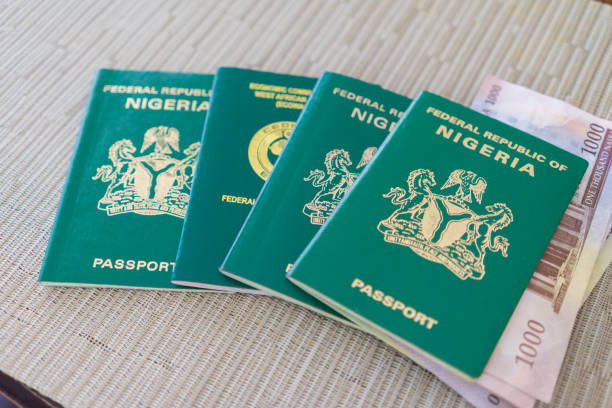
| International Passport | ₦100,000 (32-page, domestic); $150 abroad for a 5-year duration ₦200,000 (64-page, domestic); $300 abroad for a 10-year duration | 2–6 weeks | Nigeria Immigration Service portal |
| Admission/Acceptance Letter | Free (part of tuition application) | Weeks to months | Your university’s admissions office |
| UK Student Visa | ~£558 + £776/year IHS | 3–8 weeks | VFS Global / GOV.UK |
| US F-1 Visa | ~$535 (DS-160 + SEVIS) | 4–12 weeks | US Embassy / FMJfee.com |
| Canada Study Permit | CAD $150 + $85 biometrics | 4–12 weeks | IRCC official portal |
| WAEC/NECO/GCE Verification | A few thousand naira for a checker PIN; more for direct verification | Days to 2 weeks | WAEC/NECO official portal |
| Academic Transcripts | ₦5,000–₦20,000 per copy | 2–6 weeks | Your university’s records office |
| English Proficiency Test | IELTS ~₦270,000–300,000; TOEFL ~$200–250 | Results in 1–2 weeks | British Council, IDP, or ETS official site |
| Statement of Purpose | Free (self-written) | Self-paced | Written by you |
| Letters of Recommendation | Free | 2–4 weeks | Your lecturers or employers |
| CV/Resume | Free | Self-paced | Written by you |
| Yellow Fever Vaccination Card | A modest fee, typically a few thousand naira | Valid from 10 days after vaccination | Port Health Services or an approved health centre |
| Travel/Health Insurance | Varies by cover and destination | Instant to a few days | Insurer or your embassy’s approved-provider list |
| Flight Itinerary | Free to reserve; some agents charge a booking fee | Instant | Airline or travel agent |
| Proof of Accommodation | Free to a modest booking fee | Days to weeks | University housing office or rental platform |
| Police Clearance Certificate | A modest official fee | 2–6 weeks | Nigeria Police Force Criminal Investigation Department (Interpol section), Abuja |
Tips to Avoid Getting Scammed
- No one can “guarantee” a visa. If an agent promises a guaranteed outcome for a fee, that’s a red flag, not a shortcut; visa decisions are made by the embassy, not the agent.
- Pay only through official portals. Nigeria Immigration Service, VFS Global, IRCC, and embassy sites are the only legitimate places to pay government fees, never to a personal bank account.
- Verify WAEC results only on WAEC’s own portal. Third-party “verification” sites that ask for payment outside WAEC’s official system are not legitimate.
- Book English tests directly with the provider. Pay the British Council, IDP, or ETS directly, not through a middleman claiming a “discounted slot,” since scores from unofficial test centres won’t be accepted anyway.
- Be suspicious of “expedited” passport offers. Anyone offering to skip the queue for an extra fee outside the official express service is likely selling you nothing but a longer wait and a harder-to-trace payment.
- Treat unsolicited messages with extra caution. A message claiming to be from an embassy, airline, or immigration office that asks you to click a link or pay a fee outside the process you initiated yourself is almost always fake.
- Keep every receipt and confirmation email. If a payment or application is ever disputed, proof of an official transaction is your only real protection.
- Be careful with “processing agents” who ask for cash or personal transfers. Legitimate agents can help you prepare a file, but the actual government fee should always go through the official portal in your own name, not through theirs.
- Cross-check any unfamiliar fee before paying it. If a portal, email, or agent asks for an amount that doesn’t match the officially published fee, treat it as a reason to pause rather than proceed.
Before You Go
If you haven’t worked out which of the 15 documents actually applies to you, start here first. Then use this page to budget, schedule, and pay safely, one document at a time, and revisit the table above whenever a fee or timeline looks unfamiliar rather than assuming it’s changed.

FAQs on How to Get Your Study Abroad Documents in Nigeria
Q1. How much does it cost to get all your study abroad documents as a Nigerian student?
It depends heavily on your destination, since visa fees make up most of the cost. A UK-bound student can expect roughly ₦1.5–₦5 million once the visa fee, Immigration Health Surcharge, IELTS, and passport are added together, while academic documents like transcripts and WAEC verification usually add only a small fraction of that. The US and Canada follow a similar pattern — visa and health-related fees dominate, and everything else is comparatively minor.
Q2. How long does it take to get a Nigerian international passport in 2026?
Most applicants receive their passport within two to six weeks of a successful biometric appointment, though this varies by processing centre and demand. Renewal applicants should start well before their current passport expires, since backlogs are common and most destination countries require at least six months of remaining validity at entry. Apply directly through the Nigeria Immigration Service portal rather than a third party claiming faster processing.
Q3. Where can I verify my WAEC results for a university application?
WAEC results are verified directly through WAEC’s official portal, where universities and embassies can confirm your results using your examination details. Avoid third-party websites offering “WAEC verification” for a fee, since these aren’t affiliated with WAEC and won’t produce a result an institution will accept. If your university requests direct verification, they’ll typically contact WAEC themselves once you provide your exam number and year.
Q4. How do I avoid visa and document scams as a Nigerian student?
The safest rule is to pay only through official government portals, embassy websites, or recognised platforms like VFS Global, never to a personal bank account, regardless of how convincing the agent seems. Be especially wary of anyone promising a “guaranteed” visa outcome, since no agent controls an embassy’s decision. Keep every payment receipt and confirmation email, and cross-check any unfamiliar fee against the official source before paying it.
Q5. Do document costs and timelines vary by destination country?
Yes, significantly. Visa fees, health surcharges, and processing times differ by country, the UK’s Immigration Health Surcharge alone adds £776 per year of study, while Canada’s study permit fee is a flat CAD $150 regardless of course length. Academic documents like transcripts and WAEC verification cost roughly the same no matter where you’re headed, since those come from Nigerian institutions rather than the destination country.