10 Most Difficult Countries to Enter in 2027

More than 50 countries now fall under a single new US entry requirement introduced in 2026 alone, and that’s before counting the dozens of other nations that earned a spot among the most difficult countries to enter well before this year through their own long-standing invitation letters, mandatory guides, and financial bonds.
This isn’t about danger; every country on this list is stable and welcomes visitors. It’s about paperwork, and in some cases, a lot of it.
Here are the 10 most difficult countries to enter in 2027, why each one makes you work for it, and the most reliable way in.
Table of Contents
Countries With Strict Visa Requirements: The Pattern
Before naming the most difficult countries to enter one by one, it’s worth spotting the pattern: countries with strict visa requirements tend to fall into three camps. Some deliberately limit tourism to protect their culture or environment (Bhutan).
Some require a local sponsor to vouch for every visitor, making them among the hardest visas to get anywhere (Turkmenistan, Equatorial Guinea). And some increasingly, including the US, use financial bonds and enhanced vetting instead.
Compare countries with complicated visa processes against countries that require a lot of paperwork, and you’ll notice plenty of overlap; the common thread among the most difficult countries to enter isn’t instability, it’s documentation.
These aren’t countries with tough border controls because they’re unsafe; they’re simply among the most bureaucratic to visit, governed by some of the strictest immigration policies, built around sponsorship rather than security.
Top 10 Most Difficult Countries to Enter in 2027
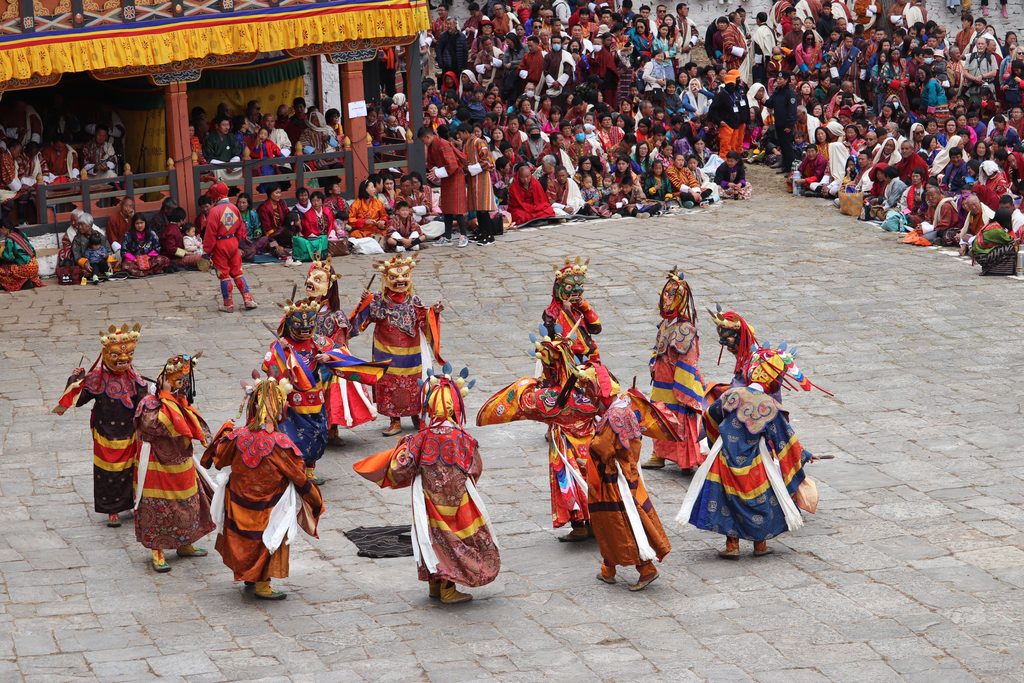
1. Bhutan
Bhutan deliberately remained closed to mass tourism for decades, allowing its first paying visitors only in 1974 and introducing television and the internet as late as 1999.
- Why it’s difficult: There is no independent tourist visa. You cannot apply on your own, and the government maintains a “high-value, low-volume” policy specifically to limit visitor numbers.
- Best way in: Book through a Tourism Council of Bhutan-licensed operator, who arranges your visa alongside the mandatory $100-per-night Sustainable Development Fee (in effect at this reduced rate through August 2027) and a $40 visa fee.
2. Turkmenistan
Turkmenistan pursued strict “neutrality” as state policy after its 1991 independence, leaving tourism a controlled, secondary priority for decades.
- Why it’s difficult: Every visitor needs a Letter of Invitation certified by the State Migration Service, valid for only three months, and independent travellers can’t obtain one without a licensed local agency.
- Best way in: Start the LOI process at least six to eight weeks ahead through a Turkmenistan-based tour operator, since certification alone typically takes 10–15 business days, and budget for a compulsory guide for your entire stay.
3. United States
Visa policy toward specific nationalities has shifted repeatedly over the decades, but 2026 introduced one of the more unusual tools yet: a refundable financial bond tied directly to visa issuance.
- Why it’s difficult: B-1/B-2 applicants generally need an in-person interview, several visa categories now require public social media accounts for vetting, and a 2026 rule change requires nationals of roughly 50 countries to post a refundable bond of $5,000, $10,000, $15,000 or $20,000 before their visa is issued.
- Best way in: check the US Department of State’s current visa bond country list before applying, since it has expanded twice already in 2026, and prepare interview documentation (ties to home country, purpose of travel, financial means) thoroughly beforehand.

4. Equatorial Guinea
Independence from Spain in 1968 led to decades of isolation, and despite 1990s oil wealth, tourism infrastructure was never prioritised.
- Why it’s difficult: Most visitors need both an invitation letter and a separate Entry Authorization Letter from the Ministry of National Security, plus proof of roughly $2,000 in funds per month of stay and a police clearance certificate.
- Best way in: Work with a registered local tour operator who can source the invitation letter and coordinate the security authorization, since embassies rarely handle this directly for independent travellers.
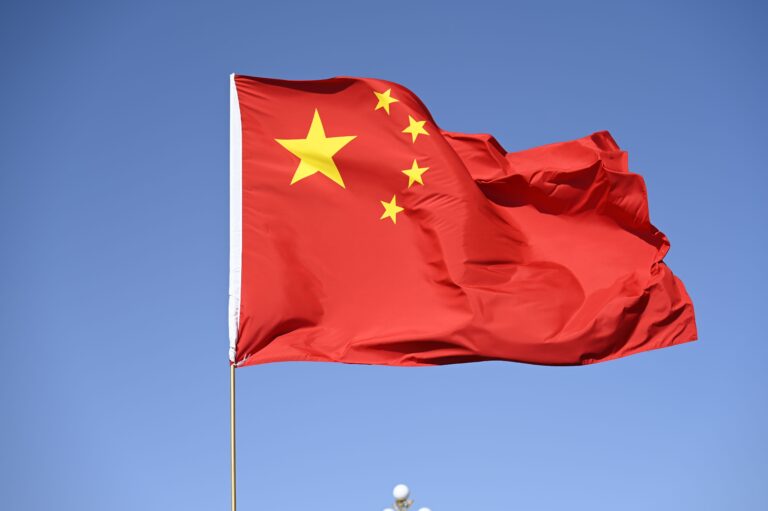
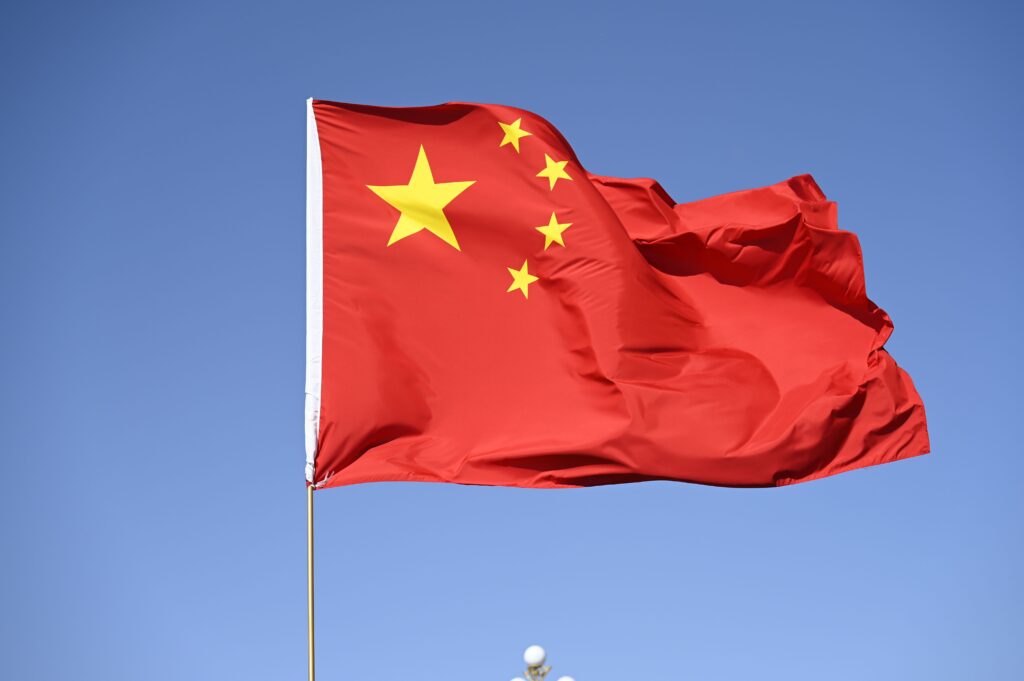
5. China
China’s visa-free list has recently expanded to include dozens of nationalities, but the traditional process for everyone else hasn’t gone away.
- Why it’s difficult: If you are not covered by China’s visa-free or transit arrangements, you still need a detailed itinerary, sometimes an invitation letter, and to provide biometric data at a visa application centre.
- Best way in: Check whether your nationality already qualifies for visa-free entry before assuming you need to follow the full process via the Chinese Ministry of Foreign Affairs’ consular service. If you do need a visa, apply well before your trip, since appointment slots at application centres can fill up weeks in advance.
6. Canada
Canada has positioned itself as immigration-friendly for decades, but its temporary resident visa system has recently become far more document-heavy.
- Why it’s difficult: biometric collection is mandatory for most applicants, proof of funds and ties to your home country must be extensively documented, and approval rates for temporary resident visas vary sharply by country of origin
- Best way in: apply through the official IRCC portal directly rather than a third-party agent, and submit a complete, well-organised financial and travel-history file the first time, since resubmissions add months to the process

7. United Kingdom
When Britain left the European Union (Brexit), immigration rules replaced decades of EU free movement with a single points-based system covering nearly every visa category.
- Why it’s difficult: Visitor and work visa applicants face a high evidentiary bar: bank statements, employment verification, and proof of intent to return home, plus an Immigration Health Surcharge for anyone staying longer than a short visit.
- Best way in: Gather financial and employment documentation well ahead of your application date, and check the UK government’s official visa checker to confirm exactly which category and evidence list applies to your situation.

8. India
India’s e-Visa system, introduced in 2014, significantly simplified tourism, but the broader immigration bureaucracy retains a reputation built over decades.
- Why it’s difficult: While tourist e-Visas are comparatively simple, business, employment, and journalist visa categories still require extensive sponsor documentation and can involve lengthy processing.
- Best way in: Before you apply for an Indian visa, confirm the correct category for your trip’s purpose to avoid costly misclassification. Use India’s official e-Visa portal instead of third-party sites with inflated fees.
9. Australia
As an island continent with a fragile ecosystem, Australia has enforced strict border biosecurity since federation in 1901, long before modern visa systems existed.
- Why it’s difficult: Every visitor needs an ETA or visa even for short stays, and customs enforcement on arrival is famously thorough, with substantial fines for undeclared food, plant, or animal products.
- Best way in: Apply for your ETA online well before departure, and when in doubt about an item in your bag, declare it. A truthful declaration rarely causes a problem, but an undeclared item found in a search reliably does.
10. Nauru
Once wealthy from phosphate mining that peaked in the 1960s–80s, Nauru’s economy collapsed when the resource ran out, and tourism was never developed to fill the gap.
- Why it’s difficult: a visa is required in advance for nearly everyone, and flight access is extremely limited, running through a single carrier with a sparse schedule via Brisbane or Fiji
- Best way in: book your visa and flights together well ahead of time, since the airline’s limited schedule, not the visa process, is usually the harder constraint
What Difficult Actually Means Here
None of these countries with difficult entry requirements are dangerous; they’re simply demanding, in ways that range from a deliberate tourism policy (Bhutan) to a brand-new financial bond (the US).
Whether you’re researching visa requirements for difficult countries in general or trying to sort hard-to-get visa countries from genuinely risky ones, the distinction matters: these are countries with complex entry rules and countries with strict border checks, not war zones.
If you’re planning a 2027 trip to any of the most difficult countries to enter on this list, the single best move is the same one every entry above repeats in some form: start early, use the official government channel rather than a third-party shortcut, and treat “complicated” as a planning problem, not a reason to assume you can’t go.
FAQs on 10 Most Difficult Countries to Enter in 2027
Q1. What are the most difficult countries to enter in 2027?
Bhutan and Turkmenistan top most lists because independent tourist visas simply don’t exist; both require a licensed local operator to arrange entry. Equatorial Guinea requires both an invitation letter and a separate government security authorization, while the United States introduced a new visa bond requirement in 2026 affecting nationals of around 50 countries. China, Canada, the UK, India, Australia, and Nauru round out the list for reasons ranging from strict documentation to extremely limited flight access.
Q2. Why do some countries require a letter of invitation?
A letter of invitation lets the destination country place responsibility for a visitor on a local sponsor, business, or licensed operator, rather than assessing every applicant purely on their own paperwork. Countries like Turkmenistan and Equatorial Guinea use this system partly to control who enters and partly to ensure someone locally accountable is tied to each visit. It also means independent travel without any local contact is often impossible, regardless of how straightforward your personal documentation is.
Q3. What is the US Visa Bond Program?
Introduced in 2026, the program requires nationals of certain countries who are approved for a B-1/B-2 visa to post a refundable bond of $5,000, $10,000, $15,000 or $20,000 before the visa is issued. The bond is returned in full if the traveller complies with their visa terms and departs on time; it’s forfeited if they overstay. The list of affected countries has already expanded multiple times since the program began, so it’s worth checking the current status directly with the State Department before applying.
Q3. Is Bhutan hard to visit as a tourist?
Bhutan is straightforward to visit once you understand its system, but you cannot simply apply for a visa on your own; every tourist must book through a government-licensed tour operator, who handles the visa application alongside a mandatory Sustainable Development Fee. That fee currently sits at $100 per person per night, reduced from $200 and set to remain at that rate through August 2027, plus a one-time $40 visa fee. The process is predictable and rarely refused once you’re working with a licensed operator; the difficulty is entirely procedural, not a matter of approval odds.
Do difficult entry requirements mean a country is unsafe?
No. Difficulty entering a country and the safety of visiting it are two entirely separate questions. Bhutan, for example, is widely considered one of the safest countries in the world despite having one of the most restrictive tourist entry systems anywhere. Countries end up with complicated entry rules for many reasons, including deliberate tourism policy, sponsorship requirements, or new administrative rules like a financial bond, none of which reflect the destination’s actual safety.
Read More:
- 10 Most Dangerous Countries to Visit: Avoid Travel
- Top 10 Famous Places in France
- Top 10 Countries to Travel to Without Visa from Nigeria in 2027
If you found this article interesting, leave a comment for us below, and we will respond shortly.