Top 10 Tourist Attractions in South Africa

Archbishop Desmond Tutu called South Africa ‘The Rainbow Nation’. The reason is that South Africa is highly diverse in culture and ethnicity. In terms of mineral resources, South Africa is blessed with large Gold and Diamond deposits
Therefore, it is no surprise why there are so many tourist attractions in South Africa. In 2025 alone, the country recorded 10.5 million visitors, a rise of nearly 18% from the previous year, even though a few countries had issued travel advisories regarding crime. The fact that the figures show such a gap against the warnings indicates that those who do go generally return or recommend the destination to friends.
One reason for this is that South Africa doesn’t require you to choose a single type of trip; in the same week you could see elephants at dawn, stand in the former Nelson Mandela prison cell, and taste some world-class Pinotage.
What is actually worth planning an itinerary around includes the country’s main regions, not just Cape Town.
Read along; let us see some of the beautiful tourist attractions in South Africa.

Table of Contents
Top 10 Tourist Attractions in South Africa
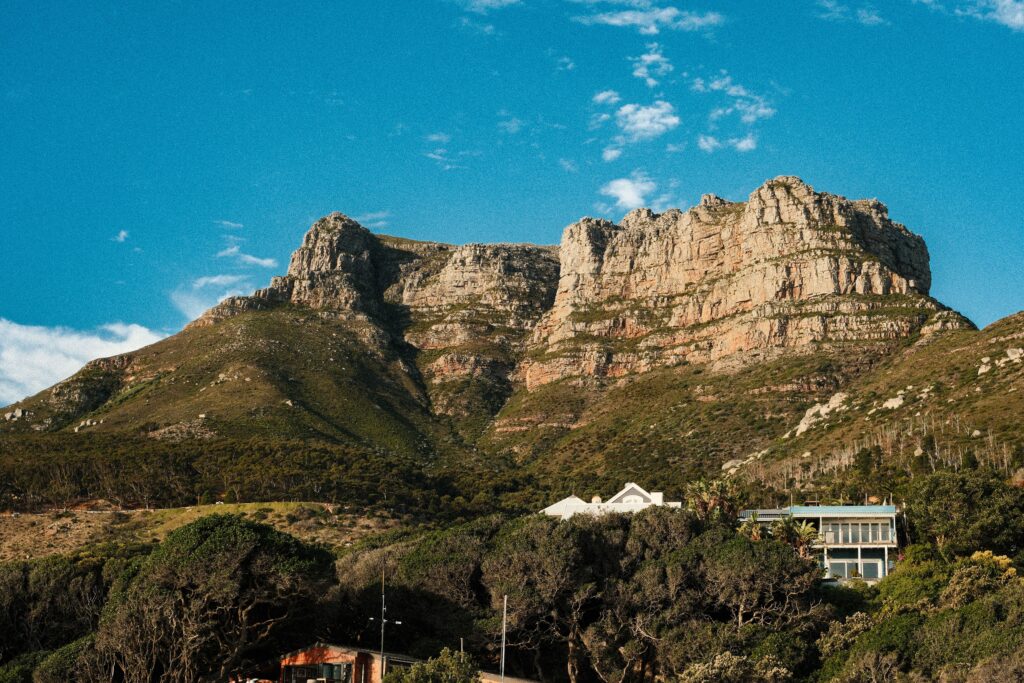
1. Take the cableway to the top of Table Mountain
Table Mountain stands 1,085 metres above Cape Town, and the rotating cable car takes you to the top in approximately five minutes, moving slowly so that all passengers get to see the view.
Table Mountain National Park is South Africa’s most-visited national park, with around 4.2 million people visiting it each year, and the summit plateau contains over 2,000 species of plants, the majority of which are fynbos to be found nowhere else.
It’s best for: First-time visitors – go early or book in advance because cloud cover often shuts down the cable car with very little notice.
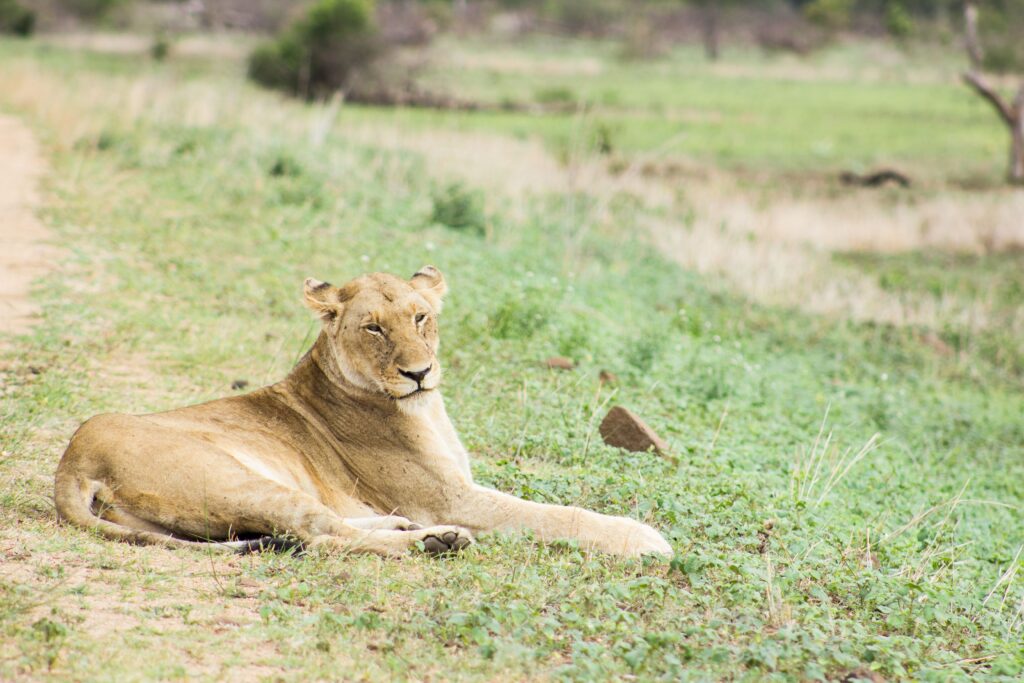
2. Take a safari in Kruger National Park.
Kruger occupies an area of about 2 million hectares, which is roughly the size of Israel, and has one of Africa’s highest concentrations of wildlife, comprising all of the Big Five. You can drive yourself between the rest camps at a pace that suits you or opt for a guided safari in order to have a better chance of seeing the animals up close and to include night drives.
It’s most suitable for people who are interested in wildlife and have a couple of extra days; since it’s a long distance from Cape Town, the majority of tourists fly into Nelspruit or combine a visit there with a trip to Johannesburg.
3. Visit Robben Island
You can take a ferry from the V&A Waterfront to the island on which Nelson Mandela spent 18 of the 27 years he spent in prison, a site that is now a UNESCO World Heritage Site.
Many of the tours are led by former political prisoners, who show you around the limestone quarry and visit Mandela’s cell before the ferry returns you. The tour is most suitable for travellers interested in history, since the ferry crossings depend on the weather and sell out during peak season, it is necessary to book in advance.

4. Go to Cape Point and the Cape of Good Hope.
Even though it has a reputation of being the southernmost point of Africa, it isn’t, that honour actually goes to Cape Agulhas, which is about 150 kilometres to the southeast.
Instead, you find a striking headland on which the old Cape Lighthouse still keeps a watch over the area where two ocean currents meet, together with a nature reserve in which baboons, ostriches, and antelope move about freely.
Ideal for: Road trippers; combine it with a trip along Chapman’s Peak Drive either on the way there or on the way back.

5. You can see the penguins at Boulders Beach.
The beach near Simon’s Town has increased from having only two breeding pairs of African penguins in 1982 to having a colony of about 3,000 now. You can approach the birds without disturbing them thanks to the boardwalks, and the water is calm enough for swimming beside them. It’s ideal for families since it’s a convenient halt on the route between Cape Town and Cape Point.
6. Visit the Apartheid Museum to find out about South Africa’s history.
The museum, which opened in 2001 in Johannesburg, was the first to be built with the aim of recording the apartheid era, and it begins before you have even looked at any of the exhibits: your ticket randomly assigns you the category of either ‘white’ or ‘non-white’, after which you go through the appropriate gate.
Combine this with a visit to Soweto, the area that includes Vilakazi Street, which is the only street in the world that has been the home of two Nobel Peace Prize winners. It’s ideal for people who want to gain a proper understanding of the country, not just see it – plan to spend half a day.
7. Explore the Cape Winelands by means of your sense of taste
Stellenbosch, which was founded in 1679, is the oldest wine region in South Africa and houses nearly one in every fifth of the country’s vines; likewise, the nearby town of Franschhoek extends its French Huguenot heritage into its restaurants as well as into its cellars.
Although most of the estates allow you to go in and have tastings, the more well-known ones tend to be busy on weekends. It’s best suited to couples and those who are interested in food—being only a 45-minute drive from Cape Town, it can be arranged as either a day trip or an overnight stay.
8. Stroll around the V&A Waterfront
Cape Town’s harbour, which is used for work, is also the city’s most popular attraction and sees about 24 million visitors each year because of its restaurants, shops and boat trips, all of which are viewed against the background of Table Mountain.
It is also the departure point for most ferries to Robben Island, so the two visits can be combined. The harbour is best suited to being the first or last day in Cape Town. It requires little effort but offers a lot of reward.
9. Take the Panorama Route to the Blyde River Canyon
In the area near Kruger, this is one of the largest canyons in the world that is covered with vegetation rather than exposing bare rock and stretches for about 26 kilometres with a depth of up to 800 metres.
Stops on the Panorama Route such as God’s Window and Bourke’s Luck Potholes mean that it’s a easy extra for people who are already travelling to or from a Kruger safari. It’s best suited to: road trippers who are combining a safari with scenic drives — plan for a full day.
10. Take the Garden Route
The coastal area extending roughly from Mossel Bay to Storms River includes beaches, forests, and small towns such as Knysna and Plettenberg Bay, along with optional trips for hiking, whale watching, or bungee jumping at Bloukrans Bridge, if one wishes to do so.
It is ideal for travellers who prefer to explore by car over several days rather than list individual destinations.
Suitable for: independent travellers who have a rental car and at least three or four days available.
Facts About Tourist Attractions in South Africa at a Glance
| Topic | Practical Notes |
|---|---|
| Best time to visit | South Africa’s seasons are opposite to those in the Northern Hemisphere. Summer (November–March) is peak season and ideal for beaches and the Garden Route. Winter (May–September) is dry, making wildlife viewing in Kruger easier because animals gather around water sources. |
| Cape Town attractions | Table Mountain, Robben Island, Cape Point, Boulders Beach and the Winelands are concentrated around Cape Town. |
| Kruger & Panorama Route | Kruger National Park and the Panorama Route are located nearer to Johannesburg, making them convenient to combine with a Johannesburg-based itinerary. |
| Safety when travelling | Use reputable tour operators with good reviews when visiting townships or game reserves. Avoid driving at night in unfamiliar areas. |
| Travel advice | Check the latest government travel advice before travelling, as safety conditions and official guidance can change. |
FAQs on Top 10 Tourist Attractions in South Africa
Q1. What would you consider the best tourist attractions in South Africa for someone who is visiting for the first time?
Table Mountain and Robben Island take up one full day each to show you the history and the views of Cape Town, while a short stay in Kruger National Park gives you the safari experience that most first-time visitors are looking for.
If your route includes a visit to Johannesburg, you can also add trips to Boulders Beach and the Cape Winelands, which are easy half-day excursions from Cape Town. This selection includes all the aspects of nature, wildlife, and history without the need for a holiday lasting more than a week or two.
Q2. How many days do you need in South Africa?
You can easily see Cape Town’s main attractions within ten to fourteen days, have a proper Kruger safari which lasts three to four days, and include the travel time between the two areas since they are about two hours apart by flight.
If you choose one region and explore it in more depth, then a week is feasible. Trips of four to five days are generally limited to either Cape Town or Kruger and not both.
Q3. Is it safe to visit South Africa?
Every year millions of tourists go without any problems, and the number of visitors recorded in 2025 was achieved even though some countries had issued warnings over crime.
The majority of safety problems occur in certain urban areas rather than at the tourist sites themselves, and the main risks can be avoided by taking normal precautions, such as using registered tour operators, staying away from unknown areas after dark, and keeping your valuables out of sight. It is advisable to check your own government’s latest travel advice before you travel, as the recommendations can change over time.
Q5. What places in South Africa allow you to see the Big Five?
Kruger National Park is the best place if you want to see all of the Big Five, that is, the lion, the leopard, the elephant, the rhino and the buffalo, because of its large size and the high density of wildlife.
Private reserves adjacent to Kruger, for example Sabi Sand, provide similar opportunities but at a more expensive cost and with fewer other vehicles present. Reserves that are smaller and nearer to Cape Town, such as Aquila or Inverdoorn, give the possibility of a shorter day trip should Kruger not fit into your itinerary.
When is the optimal time to visit South Africa?
May through to September, which is the winter season in South Africa, is the ideal time for a Kruger safari because the dry conditions cause the animals to gather at rivers and waterholes, making them simpler to see. From November until March, the weather is warmer and more suitable for Cape Town, the Garden Route and the Cape Winelands, particularly for visiting the beaches and enjoying outdoor dining. When your trip includes both areas, months that are considered shoulder months, such as April or September, usually provide a reasonable balance between the two regions.