Top 10 Best Things to Do in Israel: The Israeli Travel Guide

As of the US Embassy’s most recent update on August 26, 2026, Israel sits at Level 3, “Reconsider Travel,” on the US State Department’s four-level advisory scale, unchanged from prior months, following a fragile ceasefire that’s held since a ceasefire agreement in April 2026, punctuated by fresh Israel-Iran missile exchanges as recently as June 7-8.
Specific areas carry the more serious Level 4, “Do Not Travel,” designation: Gaza and an 11.3-kilometre (7-mile) buffer around it, areas near the Lebanon and Syria borders in the far north, and areas near the Egyptian border outside one named crossing.
That’s the honest starting point for any Israel travel guide right now, and it matters more than any single attraction on this list.
Ben Gurion Airport is operating, with El Al, Arkia, Israir, and Air Haifa maintaining full schedules and several European carriers having resumed service, but conditions can shift with little warning, and this guide can’t responsibly pretend otherwise.
With that caveat clearly stated, here’s the actual list of the 10 best things to do in Israel that remain open and worth your time.
Table of Contents
Current Safety Context — Read This First
- Overall advisory: Level 3, “Reconsider Travel” (US State Department, last renewed August 26, 2026)
- Do Not Travel zones: Gaza and its surrounding buffer; the far north near the Lebanon and Syria borders; the area near the Egyptian border outside the Taba (Menachem Begin) crossing; specific West Bank governorates per UK FCDO guidance
- What this means in practice: most standard tourist destinations — Jerusalem, Tel Aviv, the Dead Sea, Masada — sit outside these named zones, but this guide isn’t a substitute for checking your own government’s current advisory before booking
- Check before you go: US State Department or the US Embassy Jerusalem, and the UK FCDO if you’re a UK national — both update frequently and are far more current than any travel blog, including this one
With that said, here are the top 10 best things to do in Israel, for the destinations that remain open and actively visited.
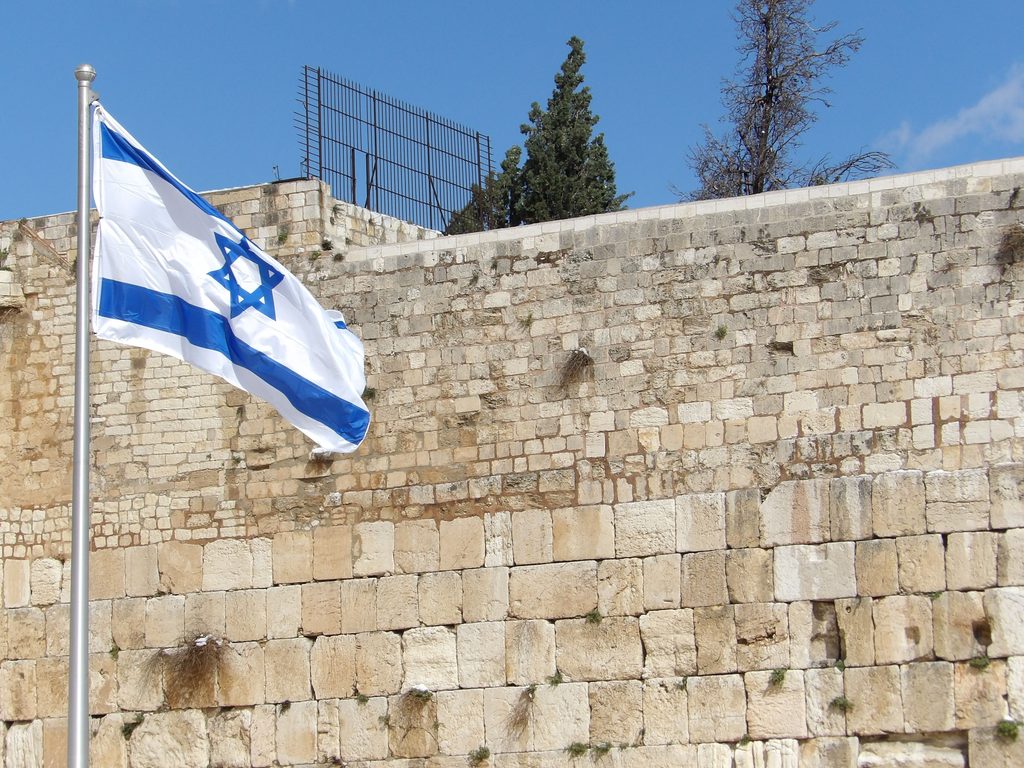
Top 10 Best Things to Do in Israel
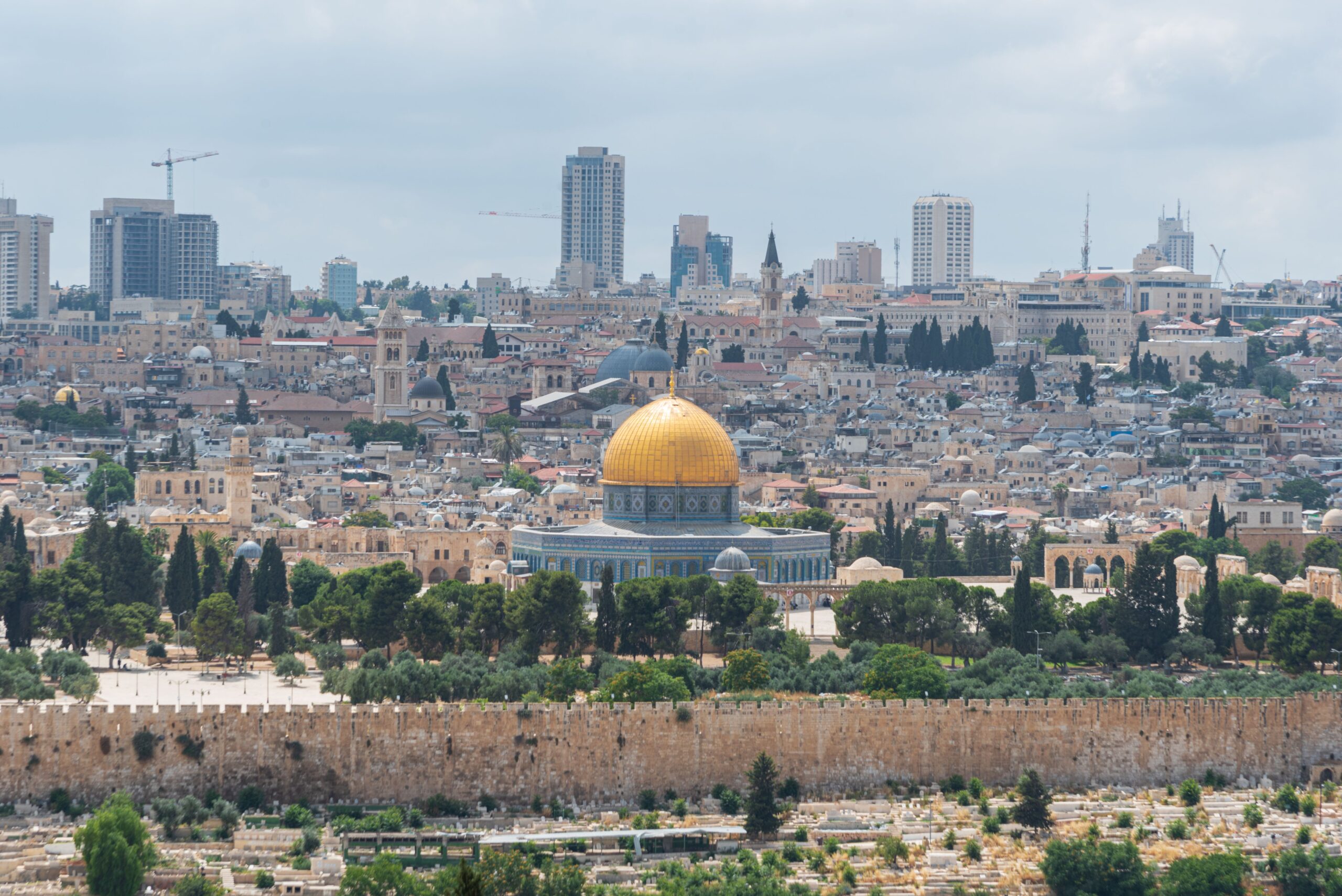
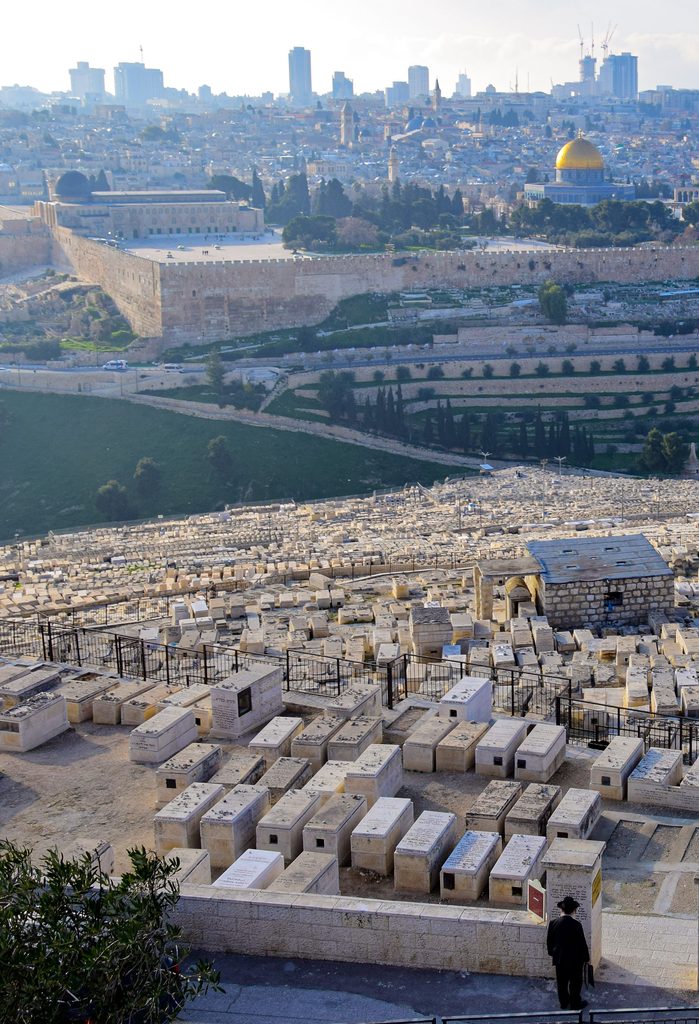
1. Jerusalem Old City
Sacred to Judaism, Christianity, and Islam alike, the Old City has been continuously inhabited and fought over for roughly 3,000 years, and its current walls date to the 16th-century Ottoman period.
- Best fit: History and religious-heritage travellers of any faith or none.
- Don’t miss: Walking all four quarters — Jewish, Christian, Muslim, and Armenian — in a single day.
- Cost for a week: $1,000–$2,100.
- The food: A proper hummus and fresh-baked pita from a family-run spot in the Muslim Quarter.
- Pros/Cons: Unmatched historical density in one walkable area, but a genuinely complex political and religious backdrop that shapes daily life there.
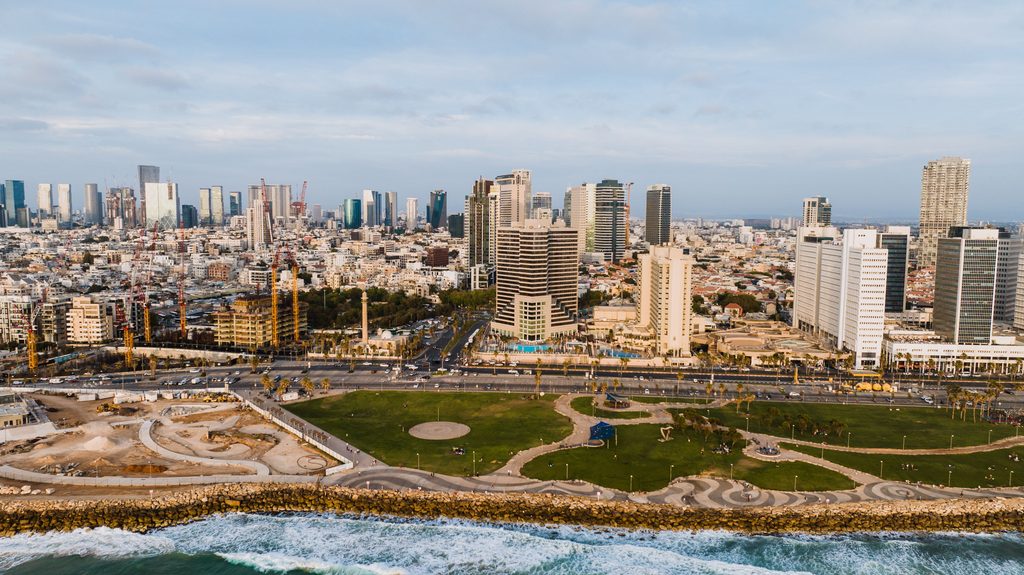
2. Tel Aviv
Founded in 1909 as a modern Jewish suburb of ancient Jaffa, Tel Aviv is now known for its Bauhaus “White City” architecture, a UNESCO-recognised collection built by European-trained architects who fled to Palestine in the 1930s.
- Best fit: First-timers wanting a modern, beach-city experience.
- Don’t miss: A walk along the beachfront promenade into old Jaffa’s port.
- Cost for a week: $1,200–$2,400.
- The food: Shakshuka for breakfast and fresh Mediterranean seafood by the port.
- Pros/Cons: Genuinely liberal, cosmopolitan energy, but among the more expensive cities on this list.
3. Dead Sea
Sitting more than 400 metres below sea level, the lowest point on Earth’s land surface, the Dead Sea’s extreme salinity makes floating effortless and has drawn health tourists since antiquity.
- Best fit: Relaxation-focused travellers and anyone curious about the famous float.
- Don’t miss: A mineral mud treatment at one of the shoreline spa resorts.
- Cost for a week: $1,100–$2,200.
- The food: Fresh dates and Middle Eastern mezze at a resort restaurant.
- Pros/Cons: A genuinely unique natural experience, but the sea’s water level has been dropping for decades, changing the shoreline over time.
4. Masada
King Herod built this clifftop fortress in the 1st century BC, and it later became the site of a mass resistance and tragedy when Jewish rebels held out against a Roman siege in 73 CE—now protected as a UNESCO World Heritage Site.
- Best fit: History buffs willing to hike or take a cable car up.
- Don’t miss: Sunrise from the summit, timed to the cable car’s early opening.
- Cost for a week: $1,000–$2,000.
- The food: A packed picnic is standard here, since dining options are limited on-site.
- Pros/Cons: A genuinely moving historical site with dramatic desert views, but summer heat at the base makes the hike unwise outside early morning.
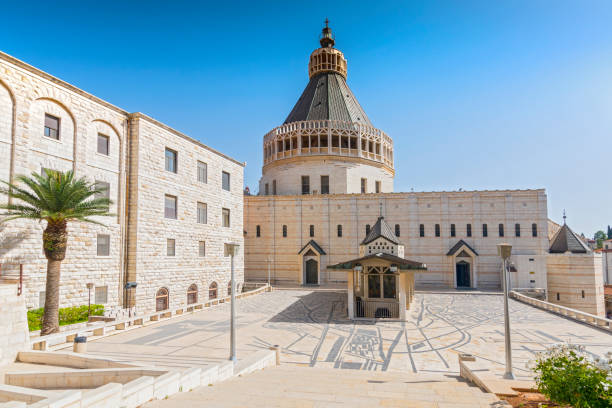
5. Nazareth
Revered as the childhood home of Jesus, Nazareth remains Israel’s largest Arab city and a major Christian pilgrimage destination, anchored by the Basilica of the Annunciation.
- Best fit: Christian pilgrims and cultural travellers.
- Don’t miss: The Basilica of the Annunciation, one of the largest churches in the Middle East.
- Cost for a week: $800–$1,700.
- The food: Knafeh, a syrup-soaked cheese pastry particularly associated with this region.
- Pros/Cons: Deep religious and cultural significance, but smaller than Jerusalem, so pair it with another Galilee stop to fill a full day.
6. Haifa
Home to the gold-domed Baháʼí Gardens, a UNESCO World Heritage Site, Haifa is Israel’s largest port city and one of the country’s more religiously mixed communities.
- Best fit: First-timers wanting a coastal city with a slower pace than Tel Aviv.
- Don’t miss: The terraced Baháʼí Gardens, viewed from the top for the full cascading effect.
- Cost for a week: $900–$1,900.
- The food: Fresh hummus and falafel from cafés in the German Colony neighbourhood.
- Pros/Cons: A genuinely relaxed, scenic city, but with fewer must-see sights than Jerusalem or Tel Aviv.
7. Akko (Acre)
Crusader knights built an underground city beneath Akko’s Old City in the 12th century; it was later buried and forgotten until 20th-century excavations rediscovered it intact.
- Best fit: History lovers wanting a less crowded alternative to Jerusalem.
- Don’t miss: The Knights’ Halls, the excavated Crusader complex beneath the modern streets.
- Cost for a week: $800–$1,700.
- The food: Fresh-grilled fish at the old port’s harbourside restaurants.
- Pros/Cons: Remarkably intact medieval history with real atmosphere, but located in northern Israel, so check current regional status before planning a visit.
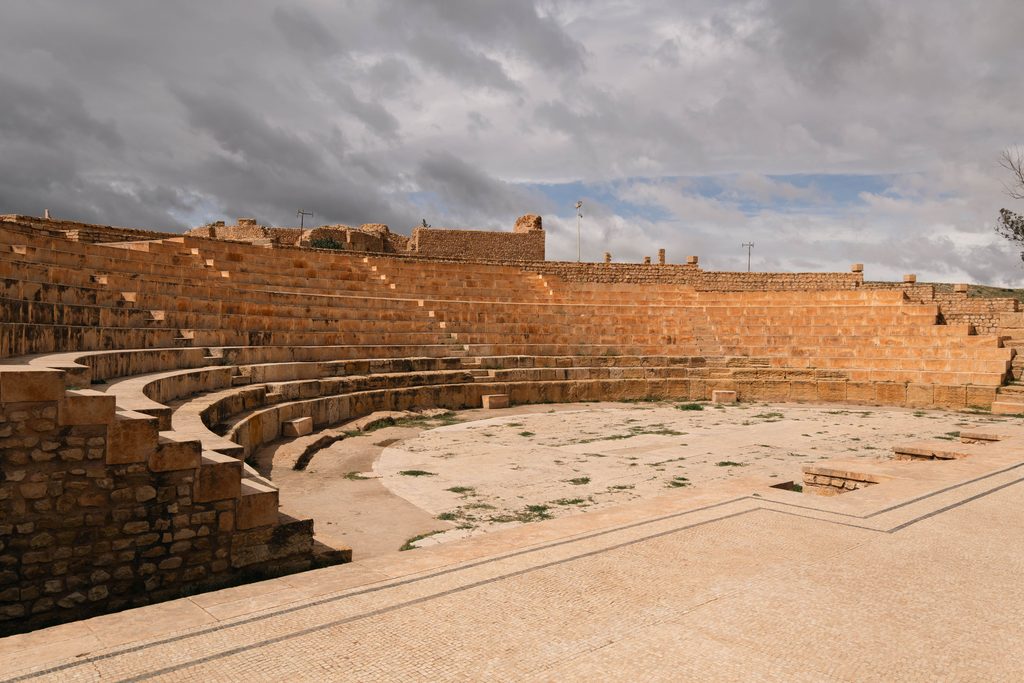
8. Caesarea
Built by Herod the Great around 25 BC as a Roman port city, Caesarea‘s amphitheatre still hosts concerts today, layered over Crusader-era fortifications added over a thousand years later.
- Best fit: History travellers who also want a beach stop.
- Don’t miss: The Roman amphitheatre and the adjacent Mediterranean coastline.
- Cost for a week: $900–$1,900.
- The food: Fresh seafood at a beachside restaurant within the national park itself.
- Pros/Cons: Genuinely impressive layered history in one accessible site, but limited public transport means a rental car helps.
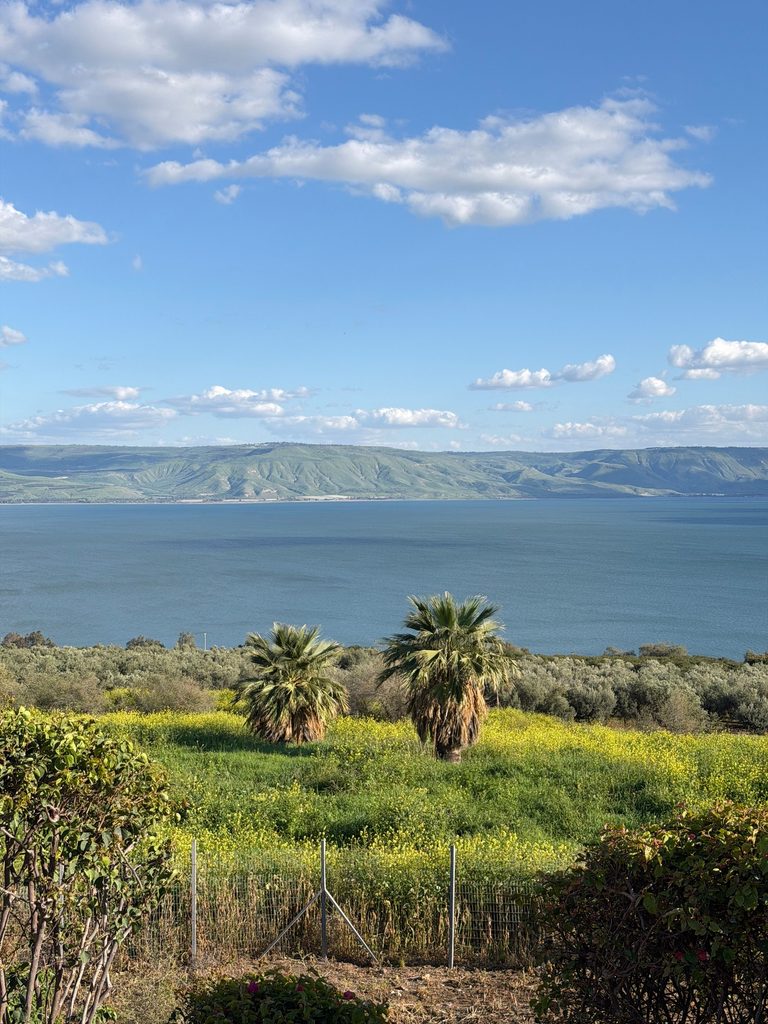
9. Sea of Galilee (Tiberias)
Central to Christian scripture as the setting for several of Jesus’s miracles, the Sea of Galilee remains Israel’s largest freshwater lake and a major pilgrimage and recreation destination.
- Best fit: Pilgrims and travellers wanting a lakeside stop in the Galilee.
- Don’t miss: A boat ride on the lake, paired with a visit to the ancient synagogue ruins in nearby Capernaum.
- Cost for a week: $900–$1,900
- The food: “St. Peter’s fish,” a local tilapia served whole, a genuine regional specialty.
- Pros/Cons: Deep religious significance and a relaxed lakeside pace, but this region sits closer to Israel’s northern border area, so check the current official advisory for this specific region before booking, more so than for central destinations on this list.
10. Eilat
Israel’s southernmost city sits on the Red Sea, sharing a coastline with Jordan, Egypt, and Saudi Arabia within view of each other, and has built its economy around diving and winter sun.
- Best fit: Divers and travellers seeking guaranteed warm weather.
- Don’t miss: Snorkelling or diving the Coral Beach Nature Reserve.
- Cost for a week: $1,000–$2,200.
- The food: Fresh Red Sea fish, simply grilled with local spices.
- Pros/Cons: Genuinely excellent diving and reliable sun, but Eilat has been targeted during past regional escalations, so check current advisories rather than assuming it’s unaffected by the broader regional situation.
Best Israel Destinations at a Glance
Picking from the 10 best things to do in Israel gets easier once you separate central destinations from border-proximate ones.
If you’re building an Israel travel guide 2027 itinerary and weighing the best places to visit in Israel against a limited number of days, a rough pattern holds.
The best Israeli cities to visit, like Jerusalem, Tel Aviv, and Haifa, sit furthest from the currently designated Level 4 zones, while best historical sites in Israel, like Masada and Caesarea, pair well with a central-Israel-only itinerary if you’d rather avoid the north or south entirely this year.
Among top Israeli landmarks and iconic places in Israel, the Old City, the Dead Sea, and Masada remain the three most recognisable, and each sits well within the standard advisory area.
Whether you’re gathering Israel vacation ideas, choosing from the best Israel destinations for first-time visitors, or asking whether it’s safe to visit Israel before booking, these 10 things to see in Israel are still genuinely open and being visited right now.
Cost of a Week in Israel
As a rough national range, per person, excluding international flights:
- Budget: $800–$1,300/week — hostels, self-catering, public transport
- Mid-range: $1,300–$2,300/week — 3-star hotels, sit-down meals, a mix of paid activities
- Luxury: $2,800+/week — 4- to 5-star hotels, fine dining, private tours
Tel Aviv and Dead Sea resort stays sit toward the higher end of this range, while Nazareth, Akko, and Haifa run more affordably.
The Food You’ll Actually Eat
Israeli food to try reflects a genuinely mixed Jewish, Arab, and broader Mediterranean heritage: hummus, falafel, and fresh pita show up everywhere, but the specific style and quality vary noticeably by region and community.
A few things hold true nationally: fresh produce and mezze-style small plates dominate most meals, Shabbat (Friday evening to Saturday evening) closes many businesses in Jewish areas specifically, and market dining in Jerusalem’s Mahane Yehuda or Tel Aviv’s Carmel Market offers some of the best value and variety in the country.
Before You Book
The 10 best things to do in Israel remain genuinely worth visiting, and millions of people continue to travel there every year.
But this is a live situation, not a settled one — check your own government’s current advisory, register your travel where your government offers that service, and build flexibility into your itinerary rather than locking in a rigid schedule months out.
That’s not fear-mongering; it’s exactly the advice official sources themselves are giving right now.
FAQs on Top 10 Best Things to Do in Israel
Q1. Is it safe to visit Israel right now?
As of August 2026, the US State Department rates Israel at Level 3, “Reconsider Travel” — not the more severe Level 4, “Do Not Travel,” which applies only to specific zones (Gaza, areas near the Lebanon and Syria borders, and areas near the Egyptian border). Most standard tourist destinations, including Jerusalem, Tel Aviv, the Dead Sea, and Masada, sit outside these designated zones, but the security situation can change quickly. Check the official current advisory from your own government before booking, and again shortly before you travel.
Q2. What areas of Israel should tourists avoid?
Gaza and an 11.3-kilometre (7-mile) buffer around it carry the most severe Do Not Travel designation, along with areas near the Lebanon and Syria borders in the far north and areas near the Egyptian border outside the Taba crossing. The UK Foreign, Commonwealth & Development Office also advises against travel to specific West Bank governorates, including Tulkarm, Jenin, and Tubas. Central destinations covered in this guide — Jerusalem, Tel Aviv, the Dead Sea, and Masada — fall outside these zones, though northern Galilee destinations warrant an extra current-status check given their relative proximity to the border region.
Q3. Is Ben Gurion Airport operating normally?
Ben Gurion Airport has operated since reopening on April 9, 2026, with Israeli carriers including El Al, Arkia, Israir, and Air Haifa maintaining full schedules, and some international carriers like Austrian Airlines and Wizz Air having resumed service. That said, flight schedules can change with little notice if regional tensions escalate, as they have periodically throughout 2026. Confirm your specific flight’s status directly with your airline in the days before departure rather than assuming a booking made months earlier is still guaranteed to operate as planned.
Q4. What are the best things to do in Israel for first-time visitors?
Jerusalem’s Old City and Tel Aviv cover Israel’s historical and modern sides in a way that’s easy to combine into one trip, both sitting well within the standard advisory area. The Dead Sea and Masada add an easy, iconic day-trip pairing from Jerusalem, since they sit close together in central-southern Israel. Most first-time visitors do well sticking to this central corridor — Jerusalem, Tel Aviv, the Dead Sea, and Masada — rather than extending into the Galilee or Eilat this year without first checking current conditions for those specific regions.
Q5. Do I need a visa to visit Israel?
Many nationalities, including the US, UK, EU, and several others, can enter Israel visa-free for tourism for up to 90 days, though requirements vary by passport and can change. Check Israel’s official entry requirements for your specific nationality before booking, since some visitors may need to apply in advance. Confirm this alongside current security advisories, since both can affect your travel plans independently.
Read More:
- Top 10 Best Things to Do in New Zealand: The New Zealand Travel Guide
- Top 10 Best Things to Do in Turkey: The Turkey Travel Guide
- Top 10 Best Things to Do in Greece: The Greek Travel Guide
If you found this article interesting, leave a comment for us below, and we will respond shortly.