
The Top 10 Best Things to Do in the United States 2027: The US Travel Guide

The United States welcomed 68.3 million international visitors in 2025, down from 72.3 million the year before, according to the US Department of Commerce’s International Trade Administration, even as officials have now set a national target of 100 million annual visitors by 2030.
That gap between where things stand and where the country wants to be says something worth knowing before you plan a trip: getting the most out of the 10 best things to do in the United States means choosing carefully, not just picking the most famous names.
This guide covers the 10 best things to do in the United States for a first-time visitor, with what each one actually costs, what to eat while you’re there, and where the trade-offs are.
Table of Contents
10 Best Things to Do in the United States
1. New York City
Home to the Statue of Liberty, a gift from France in 1886, and Ellis Island, where over 12 million immigrants once passed through, NYC remains the country’s most iconic arrival point.
- Best fit: First-timers wanting the classic American city experience.
- Don’t miss: A Broadway show and the view from the Empire State Building.
- Cost for a week: $1,800–3,500.
- The food: A New York-style pizza slice and a bagel with lox.
- Pros/Cons: Unmatched energy and culture, but expensive and crowded.

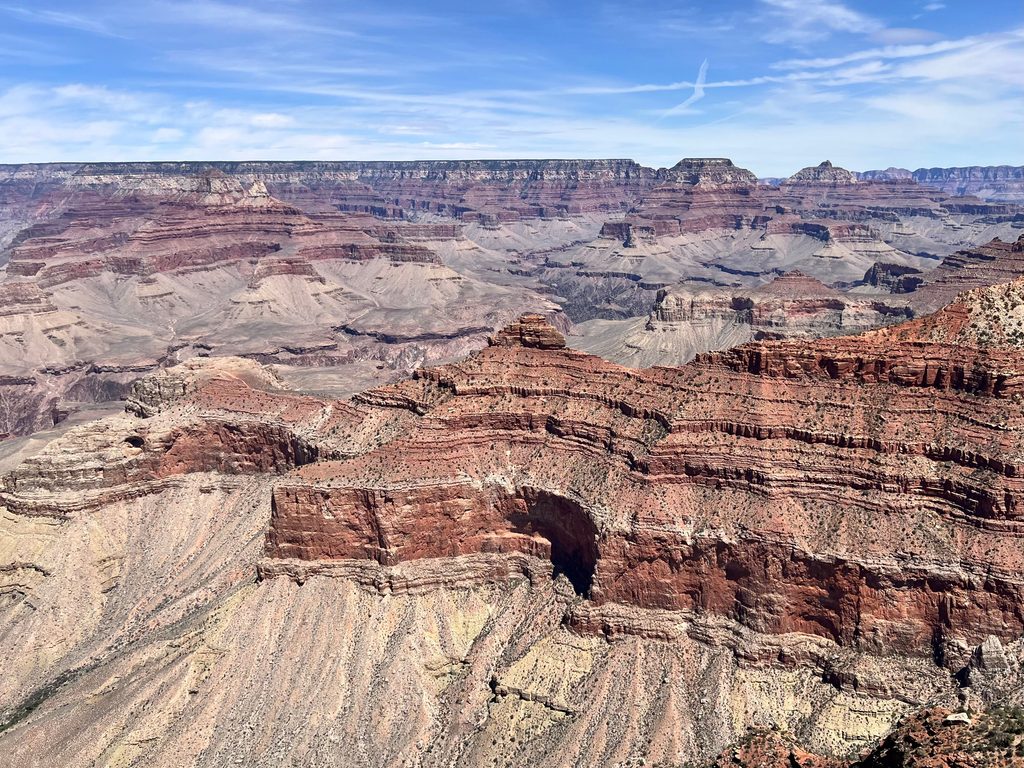
2. Grand Canyon National Park
Carved by the Colorado River over roughly 6 million years, the canyon stretches 277 miles long and up to a mile deep.
- Best fit: Nature lovers and first-time visitors to national parks.
- Don’t miss: Sunrise or sunset from the South Rim.
- Cost for a week: $1,200–2,200. Note that as of January 2026, the National Park Service charges international visitors an additional $100 per person here, in addition to the standard entrance fee.
- The food: Navajo fry bread from vendors near the rim.
- Pros/Cons: Awe-inspiring scale, but remote with extreme summer heat.
3. Las Vegas
Built from a 1905 railroad stop into a gambling capital after Nevada legalised casinos in 1931, Vegas is now as much about shows and food as it is about the tables.
- Best fit: Groups and couples wanting nightlife and entertainment.
- Don’t miss: The Bellagio fountains and a headline residency show.
- Cost for a week: $1,000–2,500.
- The food: An all-you-can-eat buffet, still a Vegas institution.
- Pros/Cons: Nonstop entertainment, but easy to overspend.

4. Walt Disney World, Orlando
Opened in 1971, this remains the most-visited vacation resort on Earth, spanning four theme parks and two water parks.
- Best fit: Families with kids.
- Don’t miss: The Magic Kingdom fireworks over Cinderella Castle.
- Cost for a week: $2,500–5,000 for a family, per Walt Disney World’s own site.
- The food: A Dole Whip from the Magic Kingdom.
- Pros/Cons: Something for every age, but long lines and high ticket prices.
5. San Francisco
The Golden Gate Bridge, completed in 1937, was the longest suspension bridge in the world for nearly three decades.
- Best fit: Culture-focused travellers who enjoy walking cities.
- Don’t miss: A ferry to Alcatraz Island’s former federal prison.
- Cost for a week: $1,700–3,200.
- The food: Sourdough bread and fresh Dungeness crab at the wharf.
- Pros/Cons: Stunning views and walkable, but notoriously changeable weather.

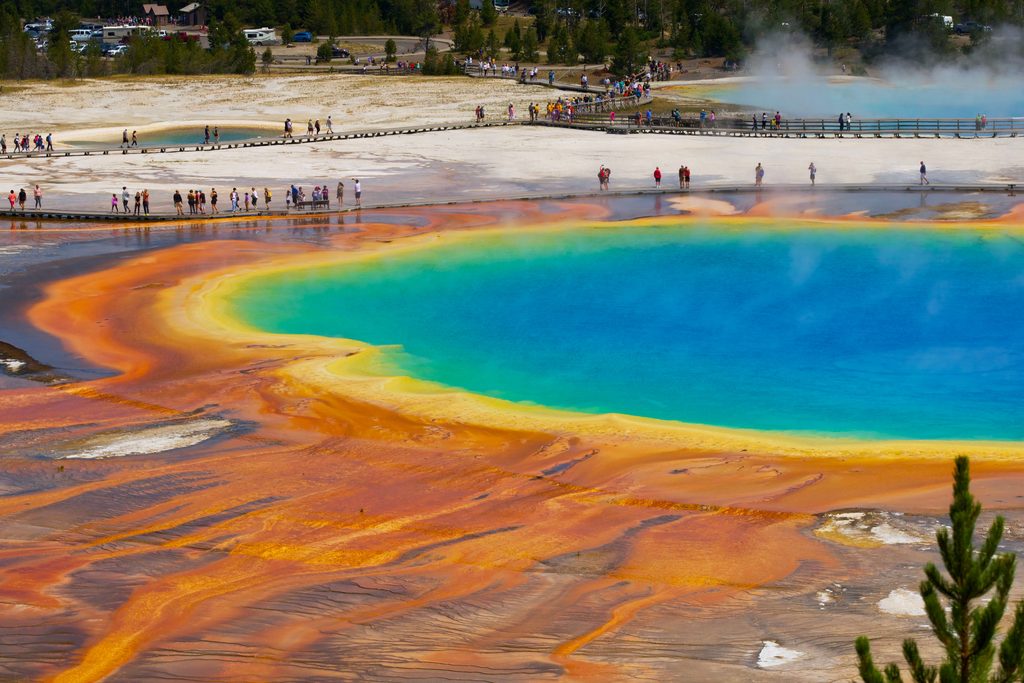
6. Yellowstone National Park
Established in 1872, Yellowstone was the world’s first national park, sitting atop one of the planet’s largest active volcanic systems.
- Best fit: Wildlife watchers and road-trippers.
- Don’t miss: Old Faithful geyser, erupting roughly every 90 minutes.
- Cost for a week: $1,200–2,200, plus the same new $100/person nonresident surcharge that applies at Grand Canyon.
- The food: Bison burgers, a genuine regional specialty near the park.
- Pros/Cons: Real wilderness and wildlife, but limited cell service and long distances between sites.
7. Washington, D.C.
Home to the Smithsonian Institution, the world’s largest museum and research complex, almost all of which is free to enter.
- Best fit: history buffs and families
- Don’t miss: the National Mall’s monuments lit up at night
- Cost for a week: $1,400–2,600
- The food: a half-smoke sausage, a true D.C. specialty
- Pros/Cons: free world-class museums, but the city can feel quiet at night
8. New Orleans
Founded by the French in 1718 and later shaped by Spanish, African, and Caribbean influence, New Orleans is the birthplace of jazz.
- Best fit: Music and food lovers.
- Don’t miss: Live jazz on Frenchmen Street.
- Cost for a week: $1,300–2,400.
- The food: Gumbo, beignets, and a proper po’boy.
- Pros/Cons: Unmatched food and music culture, but hot, humid summers.
9. Hawaii (Oahu)
Annexed by the US in 1898, Hawaii blends Polynesian culture with a distinctly American island lifestyle unlike anywhere else in the country.
- Best fit: honeymooners and beach lovers
- Don’t miss: Pearl Harbor’s USS Arizona Memorial
- Cost for a week: $2,200–4,000, per the Hawaii Tourism Authority
- The food: poke bowls and a traditional luau feast
- Pros/Cons: unique culture and scenery, but expensive flights and stays
10. Los Angeles
Hollywood’s film industry took root here in the 1910s, drawn by reliable sunshine and varied scenery within a short drive.
- Best fit: entertainment fans and beach lovers combined
- Don’t miss: the Griffith Observatory view over the Hollywood Sign
- Cost for a week: $1,600–3,000
- The food: a classic LA food truck taco
- Pros/Cons: huge variety of experiences, but heavy traffic and a spread-out city
Best US Destinations at a Glance
Picking from the 10 best things to do in the United States gets easier once you think in terms of region rather than a flat list.
When creating a 2027 US travel guide itinerary, consider East Coast cities such as New York City and Washington, D.C. for history and culture. For nature-focused trips, prioritize national parks, while Las Vegas, Orlando, and Los Angeles are ideal for entertainment-seeking travelers.
Among top American landmarks and iconic places in America, the Statue of Liberty, the Grand Canyon, and the Golden Gate Bridge remain the three most photographed, and for good reason: each represents a genuinely different side of the country’s identity.
Whether you’re gathering USA vacation ideas for a family trip or picking the best US destinations for first-time visitors on a solo trip, official resources like Visit The USA can help fill in the gaps these 10 best American cities to visit and natural wonders don’t cover.
Cost of a Week in the USA
Costs vary enormously by region; a week in rural America costs a fraction of what a week in Manhattan or Honolulu costs. As a rough national range, per person, excluding international flights:
- Budget: $900–1,500/week — Hostels or budget motels, fast-casual meals, public transport.
- Mid-range: $1,500–2,800/week — 3-star Hotels, sit-down meals, a mix of paid attractions.
- Luxury: $3,500+/week — 4- to 5-star Hotels, fine dining, private transport.
Car rental and the new 2026 nonresident national park surcharges an extra $100 per person at 11 major parks, including Grand Canyon and Yellowstone can add meaningfully to a nature-focused itinerary specifically, so budget for that if your trip includes more than one of the affected parks.
The Food You’ll Actually Eat
American food to try is regional first; what’s iconic in New Orleans barely resembles what’s iconic in San Francisco.
A few things hold nationally: portion sizes run large by international standards, tipping (typically 18–20%) is expected and effectively mandatory at sit-down restaurants, and food trucks have become a genuinely good way to eat well in most major cities without a full restaurant bill.
Where to Start
If you only have one trip, pair one major city (New York City or San Francisco) with one natural wonder (Grand Canyon or Yellowstone) for a mix that captures both sides of what makes this list of things to see in America worth exploring.
Spring and fall are generally the best times to visit the United States, as they avoid both summer crowds and winter closures at national parks.
Whatever combination of things to do in the USA you settle on, that seasonal timing is what turns the 10 best things to do in the United States from an overwhelming list into an actual, plannable trip.
FAQs on The 10 Best Things to Do in the United States
Q1. What are the best things to do in the United States for first-time visitors?
New York City and Washington, D.C. cover history and culture in a way that’s easy to combine into one trip, while the Grand Canyon or Yellowstone add a natural-wonders leg for travellers with extra time. Las Vegas, Walt Disney World, and Los Angeles suit visitors prioritising entertainment over sightseeing. Most first-time visitors do better picking one region deeply- the East Coast, the West Coast, or the national parks rather than trying to cover the entire country in a single trip.
Q2. How much does a week in the USA cost?
A week in the US in 2026 runs roughly $900–1,500 per person on a budget trip, $1,500–2,800 for mid-range travel, and $3,500 or more for a luxury trip, excluding international flights. Costs vary significantly by region; a week in New York City or Hawaii costs considerably more than a week in most of the country. Car rental and national park fees can add further costs, particularly since the new 2026 nonresident park surcharges.
Q3. Do international visitors pay more to enter national parks in 2026?
Yes. As of January 1, 2026, the National Park Service charges non-US residents an extra $100 per person, or $250 for an annual pass, at 11 of the most-visited national parks, including Grand Canyon, Yellowstone, Yosemite, and Zion. This is in addition to each park’s standard entrance fee, and the surcharge applies separately at each park if your itinerary includes more than one. US citizens and lawful permanent residents continue to pay the standard resident rate.
Q4. What is the best time of year to visit the United States?
It depends heavily on where you’re going: spring and fall offer the mildest weather for most of the country, while national parks like Yellowstone are best visited between late spring and early fall, when facilities are fully open. Beach and island destinations like Hawaii work well nearly year-round, while cities like New Orleans are best avoided during peak hurricane season (August–October) if possible. Winter suits places like Las Vegas and Los Angeles well, given their milder year-round climates.
Q5. What food should first-time visitors try in America?
Start with regional specialties rather than generic “American food”; a New York pizza slice, New Orleans gumbo, and a Hawaiian poke bowl are all distinctly different experiences that happen to share a passport. Food trucks are among the best ways to eat well without a full-restaurant budget in most major cities. Remember that tipping around 18–20% at sit-down restaurants is expected, not optional, and isn’t reflected in the menu price.
Read More:
- 10 Most Dangerous Countries to Visit: Avoid Travel
- 10 Most Difficult Countries to Enter in 2027
- Top 10 Countries to Travel to Without Visa from Nigeria in 2027
If you found this article interesting, leave a comment for us below, and we will respond shortly.