Top 10 Best Things to Do in New Zealand: The New Zealand Travel Guide

New Zealand welcomed 3.58 million international visitors in the year to February 2026, with those visitors spending NZD 13.7 billion in the country over the year to March, an increase of NZD 1.5 billion on the year before, according to Tourism New Zealand.
The country is now at roughly 92–94% of its pre-pandemic visitor levels, and the government’s own targets point to a full recovery well before the end of this year.
That kind of momentum means it’s worth planning ahead, not winging it. This guide covers the 10 best things to do in New Zealand, with what each one actually costs, what to eat while you’re there, and where the trade-offs are.
By the end, narrowing down the 10 best things to do in New Zealand to fit your own trip should feel far more manageable than it does right now.
Table of Contents
Top 10 Best Things to Do in New Zealand
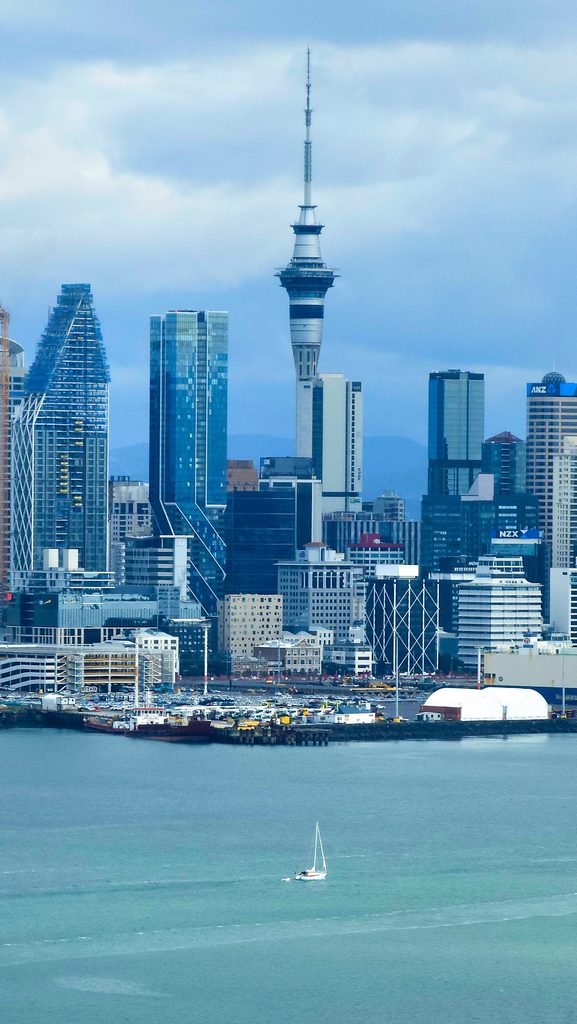
1. Auckland
Built across an isthmus dotted with more than 50 volcanic cones, Auckland has been New Zealand’s largest city since colonial settlement in 1840 and remains most visitors’ first stop.
- Best fit: First-timers wanting an easy, walkable city start.
- Don’t miss: The harbour view from the Sky Tower, especially at sunset.
- Cost for a week: $1,400–$2,600.
- The food: Fresh green-lipped mussels from the harbourside markets.
- Pros/Cons: Easy international connections and a genuinely walkable centre, but less distinctly “New Zealand” than the rest of this list.
2. Rotorua
Sitting atop an active geothermal field, Rotorua has been a centre of Māori culture and healing tourism since long before European arrival, with bubbling mud pools and geysers still shaping daily life.
- Best fit: Culture-focused travellers and families.
- Don’t miss: A traditional hāngī feast paired with a Māori cultural performance.
- Cost for a week: $1,200–$2,400.
- The food: Hāngī-cooked meat and vegetables, steamed underground over hot stones.
- Pros/Cons: A genuinely unique cultural and geothermal experience, but the sulphur smell takes some getting used to.
3. Queenstown
Bungee jumping as a commercial activity was invented here in 1988, and Queenstown has built its entire identity around adventure tourism ever since.
- Best fit: Adrenaline seekers and adventure-focused couples.
- Don’t miss: A bungee jump at the original Kawarau Bridge site or a scenic gondola ride up Bob’s Peak.
- Cost for a week: $1,800–$3,400.
- The food: A Fergburger, Queenstown’s famously oversized local burger institution.
- Pros/Cons: Unmatched adventure activities in a stunning alpine setting, but prices climb fast in ski season.
4. Milford Sound
Carved by glaciers over 100,000 years ago, Milford Sound is technically a fiord, not a true sound, despite the name that’s stuck since early European exploration.
- Best fit: Nature lovers and photographers.
- Don’t miss: A boat cruise beneath Mitre Peak, ideally on a rainy day when the waterfalls run fullest.
- Cost for a week: $1,600–$3,000, factoring in the remote drive or flight required to reach it.
- The food: Fresh Fiordland crayfish, when available.
- Pros/Cons: Some of the most dramatic scenery in the country, but genuinely remote and often rainy.
5. Wellington
New Zealand’s capital since 1865, Wellington has built a second reputation over the past two decades as the creative hub behind Weta Workshop’s film effects work.
- Best fit: Culture and film fans.
- Don’t miss: Te Papa Museum, New Zealand’s national museum, which is free to enter.
- Cost for a week: $1,300–$2,500.
- The food: Wellington’s flat white coffee culture, which locals insist predates Australia’s claim to the drink.
- Pros/Cons: Genuinely excellent food and culture scene, but famously windy weather year-round.
6. Franz Josef Glacier
One of the most accessible glaciers on Earth relative to sea level, Franz Josef has retreated significantly since the early 2000s, making a visit now different from photos taken a generation ago.
- Best fit: Adventurous first-timers.
- Don’t miss: A helicopter flight landing directly on the ice.
- Cost for a week: $1,500–$2,800.
- The food: A hearty West Coast whitebait fritter, a genuine regional specialty.
- Pros/Cons: An accessible glacier experience most countries can’t offer, but retreat means guided access changes year to year.
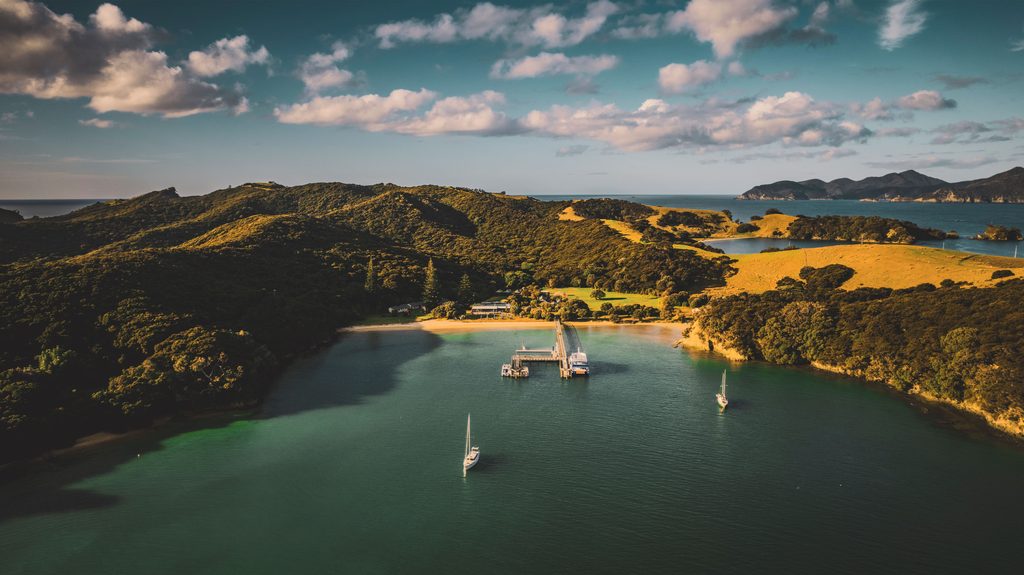
7. Bay of Islands
The Treaty of Waitangi, New Zealand’s founding document, was signed here in 1840 between the British Crown and Māori chiefs.
- Best fit: History-focused travellers and sailors.
- Don’t miss: The Waitangi Treaty Grounds’ cultural performances and museum.
- Cost for a week: $1,300–$2,500.
- The food: Fresh-caught snapper, straight off a local fishing charter.
- Pros/Cons: Deep historical significance paired with genuinely beautiful sailing waters, but summer crowds book out accommodation early.
8. Tongariro National Park
A dual UNESCO World Heritage Site for both natural and cultural significance, this volcanic park doubled as Mordor in the Lord of the Rings films.
- Best fit: Hikers of moderate to advanced fitness
- Don’t miss: The Tongariro Alpine Crossing, one of the world’s best one-day hikes.
- Cost for a week: $1,100–$2,200.
- The food: A hearty post-hike venison pie from a local café.
- Pros/Cons: A genuinely world-class hike, but weather can close the crossing with little warning.
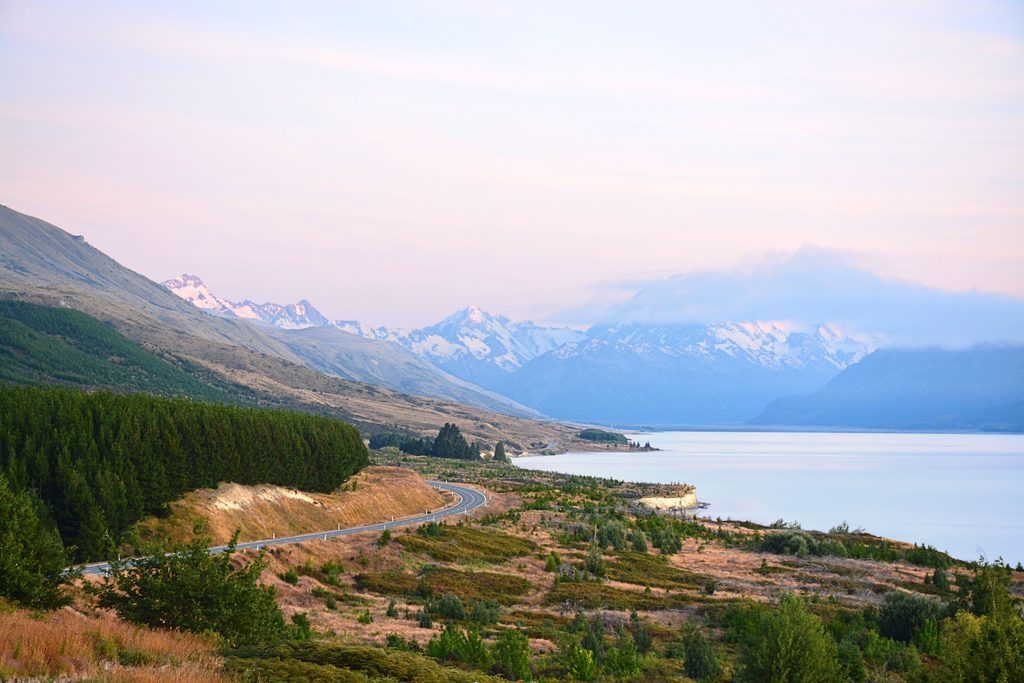
9. Abel Tasman National Park
Named after the first European to sight New Zealand in 1642, this park has golden beaches and turquoise water, managed by the Department of Conservation. It feels more tropical than you expect.
- Best fit: Kayakers and coastal walkers.
- Don’t miss: A multi-day Abel Tasman Coast Track walk, or a shorter kayak day trip.
- Cost for a week: $1,200–$2,300.
- The food: Fresh Nelson-region mussels and local white wine.
- Pros/Cons: Stunning, uncrowded coastline, but limited road access means most visits require a boat or water taxi.
10. Hobbiton
Built as a permanent film set after the original Lord of the Rings trilogy, Hobbiton near Matamata has since become one of New Zealand’s most visited paid attractions.
- Best fit: Film fans and families.
- Don’t miss: The Green Dragon Inn tour finale, which includes a drink.
- Cost for a week: $1,300–$2,400.
- The food: A proper pub meal at the Green Dragon, designed to match the films’ aesthetic.
- Pros/Cons: A genuinely well-produced experience even for non-fans, but tickets sell out well ahead in peak season.
Best New Zealand Destinations at a Glance
Picking from the 10 best things to do in New Zealand gets easier once you think in terms of island and travel style.
If you’re building a New Zealand travel guide 2027 itinerary and weighing the best places to visit in New Zealand against a limited number of days, a rough pattern holds: the best New Zealand cities to visit, Auckland and Wellington, suit culture-first trips, the best national parks in New Zealand (Tongariro and Abel Tasman) suit hikers, and Queenstown and Milford Sound suit travellers chasing adventure and scenery above all else.
Among top New Zealand landmarks and iconic places in New Zealand, Milford Sound, Rotorua’s geothermal fields, and Hobbiton remain the three most recognisable, and each represents a genuinely different side of the country.
Whether you’re gathering New Zealand vacation ideas for a family trip or picking the best New Zealand destinations for first-time solo visitors, these 10 things to see in New Zealand cover the full range worth exploring.
Cost of a Week in New Zealand
Costs vary by region, and one expense catches nearly every first-time visitor off guard: the International Visitor Levy, raised from NZD 35 to NZD 100 in October 2024 and still at that level.
Check current rates via Immigration New Zealand; charged once on entry regardless of trip length. As a rough national range beyond that, per person, excluding international flights:
- Budget: $900–$1,500/week — hostels, self-catering, public transport
- Mid-range: $1,500–$2,800/week — 3-star hotels, sit-down meals, a mix of paid activities
- Luxury: $3,500+/week — 4- to 5-star lodges, fine dining, private tours
Remote destinations like Milford Sound, Abel Tasman, and Queenstown in ski season specifically cost meaningfully more due to limited access and seasonal demand.
The Food You’ll Actually Eat
New Zealand food to try blends Māori tradition, British-influenced comfort food, and some of the world’s best lamb and seafood.
A hāngī feast in Rotorua is the most distinctly Kiwi meal you can have, while café culture, particularly the flat white, runs deep enough that Wellington and Melbourne still argue over who invented it.
Fresh seafood, from Fiordland crayfish to Nelson mussels, is excellent virtually everywhere along the coast, and tipping isn’t expected the way it is in the US.
Where to Start
If you only have one trip, pair one city (Auckland or Wellington) with one natural wonder (Milford Sound or Tongariro) for a combination that captures both sides of what makes this list of things to see in New Zealand worth exploring.
Spring (September–November) and autumn (March–May) are generally the best times to visit New Zealand overall, avoiding both summer crowds and the coldest, wettest winter months in the south.
Whatever combination of things to do in New Zealand you choose, that seasonal timing turns the 10 best things to do in New Zealand from an overwhelming list into a plannable trip.
FAQs on Top 10 Best Things to Do in New Zealand
Q1. What are the best things to do in New Zealand for first-time visitors?
Auckland and Wellington cover New Zealand’s city culture in a way that’s easy to combine into one trip, while Milford Sound or Rotorua add an iconic natural or cultural leg for travellers with extra time. Queenstown and Tongariro National Park suit visitors chasing adventure and hiking specifically, while Hobbiton works well as an easy add-on for film fans. Most first-timers do better picking one island deeply the North Island’s culture and geothermal sites, or the South Island’s dramatic scenery rather than trying to cover the entire country in one trip.
Q2. How much does a week in New Zealand cost?
A week in New Zealand in 2026 runs roughly $900–1,500 per person on a budget trip, $1,500–2,800 for mid-range travel, and $3,500 or more for a luxury trip, excluding international flights and the one-off International Visitor Levy. Costs vary significantly by region. Queenstown in ski season and remote destinations like Milford Sound and Abel Tasman sit toward the higher end of any budget. Booking activities and accommodation ahead of peak summer (December–February) generally keeps costs more predictable.
Q3. Do I need to pay a tourist levy to visit New Zealand?
Yes, most international visitors must pay the International Visitor Levy, which rose from NZD 35 to NZD 100 in October 2024 and remains at that level. It’s a one-off charge per visit, not per week, and is separate from any visa fee you may also need to pay depending on your nationality. Check current requirements and any nationality-specific exemptions directly with Immigration New Zealand before you travel, since fee structures do get revisited periodically.
Q4. What is the best time of year to visit New Zealand?
Spring (September–November) and autumn (March–May) generally offer the most comfortable weather and smaller crowds across most of the country. Summer (December–February) is peak season, especially for the Bay of Islands and Abel Tasman, while winter (June–August) suits Queenstown specifically if skiing is on your itinerary. Milford Sound is often more dramatic in the rain than in full sun, so don’t let a rainy forecast talk you out of that trip.
Q5. Is Hobbiton worth visiting if you haven’t seen Lord of the Rings?
Yes, though the experience resonates more if you’re at least somewhat familiar with the films. The set itself is genuinely well-produced, with rolling green hills, round doors, and a working Green Dragon Inn that make for an enjoyable few hours regardless of fandom. Most visitors who’ve never seen the films still describe it as a pleasant, well-organised countryside tour, just without the extra layer of recognition fans get from seeing specific filming locations in person.
Read More:
- Australian Scholarships for International Students 2027: Requirements, Fully Funded Opportunities & How to Apply
- Top 10 Best Things to Do in Australia: The Australian Travel Guide
- Top 10 Cities to Visit in 2027 | Best Travel Destinations
If you found this article interesting, leave a comment for us below, and we will respond shortly.