The 10 Most Powerful Passports in the World in 2027

Ever wondered why some people can book a flight to Tokyo tomorrow morning while others need to start a visa application three months in advance? The difference usually comes down to one small booklet: their passport.
“Passport power” is simply a measure of how many countries you can enter without arranging a visa ahead of time through visa-free entry, a visa on arrival, or a quick electronic authorisation.
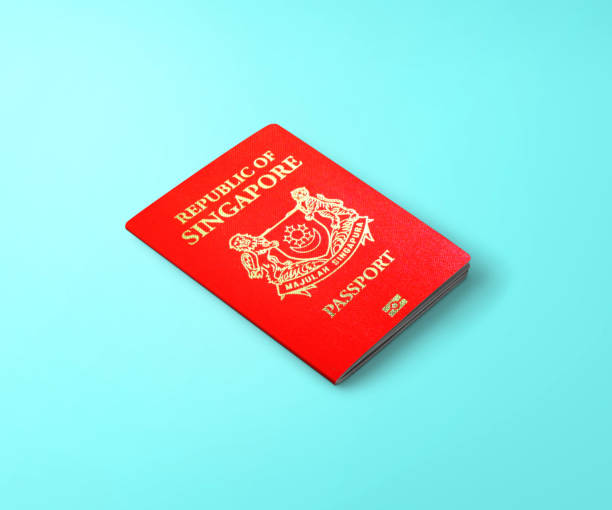
According to the Henley Passport Index, which draws its underlying data from IATA‘s global travel database, the gap between the world’s strongest and weakest passports has never been wider: Singapore’s passport opens 192 destinations without a prior visa, while Afghanistan’s opens roughly 24, a 168-destination gap, the largest the index has recorded in its 20-year history.
That gap is what this list of the 10 most powerful passports in the world is really about. Here are the 10 most powerful passports in the world in 2027, why they got there, and what any of it means if your own passport isn’t one of them.
Table of Contents
The 10 Most Powerful Passports in the World in 2027
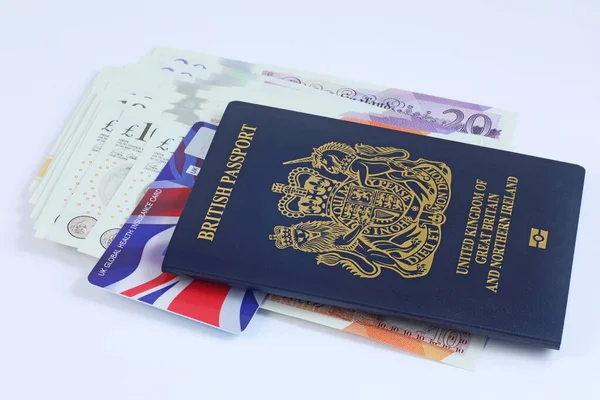
Henley groups passports with identical scores into a single rank, so the “top 10” actually spans more than 10 countries. Based on the most recent Henley Passport Index ranking:
| Rank | Country/Countries | Visa-Free Destinations |
|---|---|---|
| 1 | Singapore | 192 |
| 2 | Japan, South Korea | 188 |
| 3 | Denmark, Luxembourg, Spain, Sweden, Switzerland | 186 |
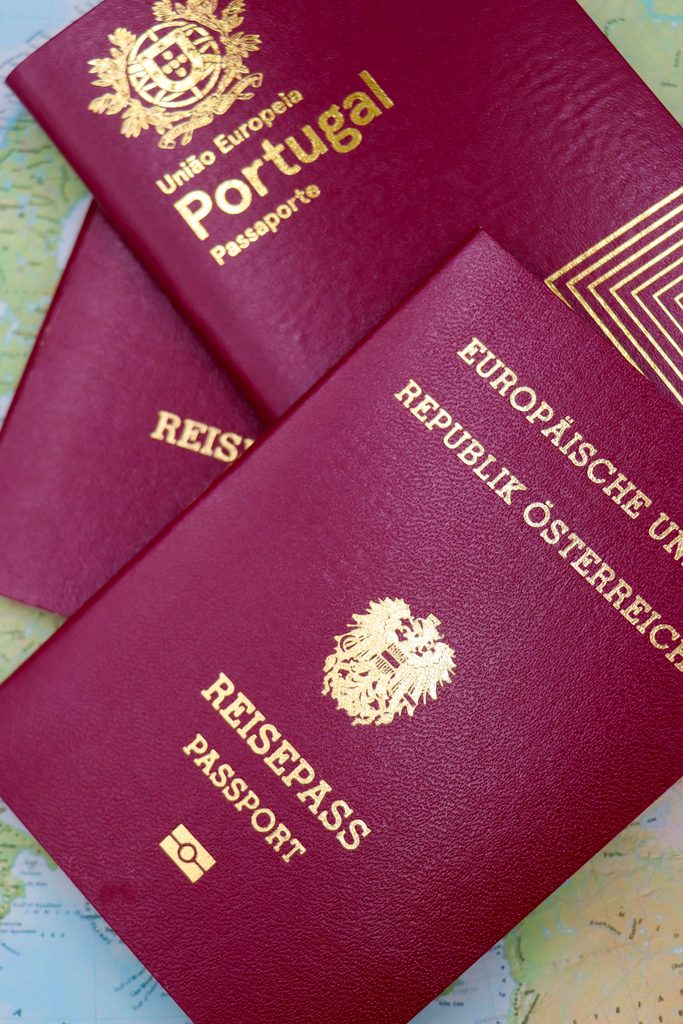
| 4 | Austria, Belgium, Finland, France, Germany, Greece, Ireland, Italy, Netherlands, Norway | 185 |
| 5 | Hungary, Portugal, Slovakia, Slovenia, UAE | 184 |
| 6 | Croatia, Czechia, Estonia, Malta, New Zealand, Poland | 183 |
| 7 | Australia, Latvia, Liechtenstein, United Kingdom | 182 |
| 8 | Canada, Iceland, Lithuania | 181 |
| 9 | Malaysia | 180 |
| 10 | United States | 179 |
A few trends jump out immediately. European and Asian nations dominate every spot on this table; not a single country from the Americas, Africa, or the rest of Asia cracks the top 10, aside from Malaysia.
Both major English-speaking powers have slipped, too: the United Kingdom sits at 7th, down from 5th just a couple of years ago, and the United States has fallen further still, to 10th, with 36 countries now ranked ahead of it. The US passport was among the world’s top three as recently as 2006.
The UAE deserves a special mention here: it’s the single biggest riser in the index’s 20-year history, adding roughly 149 new visa-free destinations since 2006 and climbing 57 places to break into the top 5 a rise CNN’s own coverage called the strongest performance in the index’s history, and a level of diplomatic dealmaking most countries never achieve.
Passport Power at a Glance
If you’re comparing the most powerful passport in the world 2027 rankings against your own, here’s the short version: this passport power index rewards decades of reciprocal diplomacy, not just wealth.
Visa-free countries by passport can differ by more than 150 destinations between the strongest passports in the world and the weakest, and the Henley Passport Index 2027 update shows that gap only widening. It’s also worth noting that Henley isn’t the only measure.
Arton Capital’s Passport Index uses a slightly different methodology and occasionally crowns a different country entirely, though the overall picture rarely changes much.
Whether you’re checking visa-free travel rankings out of curiosity or actively comparing passport rankings by country before a big trip, the countries with the most travel freedom right now cluster heavily in Europe and Asia, a pattern that’s held for years.
Why Some Passports Are Stronger Than Others
Three forces explain most of the gap between rank 1 and rank 101 on this passport power index:
- Diplomacy. Visa-free access is almost always reciprocal. Country A lets in Country B’s citizens because Country B extends the same courtesy back. Singapore’s own visa-free arrangements are a good example of how far decades of careful bilateral dealmaking can go. Strong passports are built one agreement at a time.
- Safety and wealth — with a real nuance. Stable, wealthy countries are generally trusted more by foreign border control, since their citizens are seen as low overstay risks. But this isn’t the same as pure peacefulness: the US State Department itself notes that the US and Israel both rank far higher on the Henley Index than on the Global Peace Index, suggesting that accumulated diplomatic capital and institutional trust matter independently of domestic peace.
- Trade deals and regional blocs. Arrangements like the EU and Schengen Area bundle visa-free travel into a much bigger economic relationship, boosting tourism and trade at the same time, which is exactly why 12 European countries cluster together at similar ranks on this list. Henley publishes updated analysis of these patterns every quarter in its newsroom, and the pattern has held remarkably steady for years: regional blocs move together, almost as a unit, far more often than individual countries break away from their neighbours.
What This Means for Everyday Travelers
- Spontaneous travel is a real privilege. If you hold one of the world’s strongest passports, you can genuinely book a flight on a whim for most of the planet. That’s not true for most of the world’s population.
- The visa struggle is real and unevenly distributed. Weaker-passport holders routinely face high fees, long processing times, and heavy documentation to take a vacation, and the gap isn’t small. Henley’s own research has found that while roughly one in six visa applications is rejected globally, the rate is closer to one in two for applicants from some African countries applying to the Schengen area specifically. That’s not a minor statistical footnote; it’s the practical difference between a weekend trip booked on Tuesday and a process that can take months, cost hundreds of dollars in non-refundable fees, and still end in refusal.
- Dual citizenship is a growing workaround. Some travelers pursue a second passport specifically for the dual citizenship benefits it unlocks, including through citizenship-by-investment programs; Caribbean CBI passports, for example, can offer access to 145–155 visa-free destinations well within range of a top-20 passport without needing to change where you actually live. It’s not a realistic option for most people, given the cost involved, but it’s a genuine, growing industry precisely because passport power is so unevenly distributed.

A Passport Is More Than a Booklet
At the end of the day, a passport isn’t just a travel document; it’s a physical record of your country’s diplomatic relationships, translated directly into your own personal freedom to move.
Whether that booklet opens 24 doors or 192 barely has anything to do with you personally, and everything to do with decades of agreements signed long before you applied for it. That’s really the whole story behind any list of the 10 most powerful passports in the world: it’s a snapshot of accumulated diplomacy, not a judgment on the people holding each passport.
So, where does your passport rank among the 10 most powerful passports in the world, and would you ever consider a second one to open up more of the map? Drop your answer in the comments below.
FAQs on The 10 Most Powerful Passports in the World in 2027
Q1. What is the most powerful passport in the world in 2027?
Singapore currently holds the top spot on the Henley Passport Index, with visa-free or visa-on-arrival access to 192 destinations out of 227 tracked worldwide. Japan and South Korea follow closely in second place with 188 destinations each, and a cluster of European countries, including Denmark, Luxembourg, Spain, Sweden, and Switzerland, share third place with 186 destinations each. Since the index updates quarterly, exact figures shift slightly throughout the year, though Singapore has held the top position for several consecutive editions.
Q2. What makes a passport more “powerful” than another?
Passport power comes down to accumulated diplomacy rather than any single factor: countries extend visa-free access to each other reciprocally, usually after decades of building trust through trade relationships, low overstay rates, and stable institutions. Regional blocs like the EU amplify this further, since member countries often negotiate mobility as a group rather than individually. Wealth and safety help, but they’re not the whole story; plenty of stable, wealthy nations still rank outside the top 20 simply because they haven’t built the same web of bilateral agreements.
Q3. Where does the United States rank among the world’s passports?
The US currently ranks 10th on the Henley Passport Index, with visa-free access to 179 destinations — a notable fall from its position among the world’s top three passports as recently as 2006. Thirty-six countries now rank ahead of it, a shift Henley attributes to the US signing fewer new reciprocal agreements. At the same time, other nations, particularly in Europe and Asia, continued to expand theirs. It remains a strong passport by any global standard, just no longer among the very strongest.
Q4. Is passport power the same as how safe or wealthy a country is?
Not entirely. While stability and wealth generally help a country negotiate more visa-free agreements, passport power measures diplomatic access rather than domestic safety or living standards. The US and Israel are useful examples: both rank comfortably in the Henley Passport Index’s upper tier despite ranking far lower on the Global Peace Index, showing that accumulated diplomatic capital can outweigh a country’s own peacefulness ranking. In short, a powerful passport reflects how much other governments trust your country’s institutions, not how safe your country feels to live in.
Q5. Can I increase my own passport’s power?
You can’t change your existing passport’s ranking directly. Still, some people pursue a second passport specifically to access more visa-free destinations, often through a citizenship-by-investment program tied to a stronger-ranked country. Caribbean programs, for example, can offer passports with 145–155 visa-free destinations, a meaningful upgrade for holders of much weaker passports. This route is costly and unrealistic for most travellers, but it’s a genuine and growing option for those with the means and a specific mobility goal in mind.
Read More:
- 10 Most Dangerous Countries to Visit: Avoid Travel
- 10 Most Difficult Countries to Enter in 2027
- Top 10 Countries to Travel to Without Visa from Nigeria in 2027
If you found this article interesting, leave a comment for us below, and we will respond shortly.