Northern Lights Season: Why Millions of Travelers Chase the Aurora from September to December

Every year, as summer fades in the Northern Hemisphere, a great migration begins, not of birds heading south, but of travelers heading north. Millions of aurora hunters flood into Norway, Iceland, Finland, Sweden, Canada, and Alaska between September and December, all chasing the same thing: a few minutes under a sky on fire.
The Northern Lights (aurora borealis) have gone from niche bucket-list item to full-blown travel phenomenon, powering entire regional economies in places like Tromsø and Rovaniemi. And right now is arguably the best era in decades to see them. Here’s why, plus exactly when, where, and how to plan your own aurora trip without freezing your budget.
First: What Actually Causes the Northern Lights?
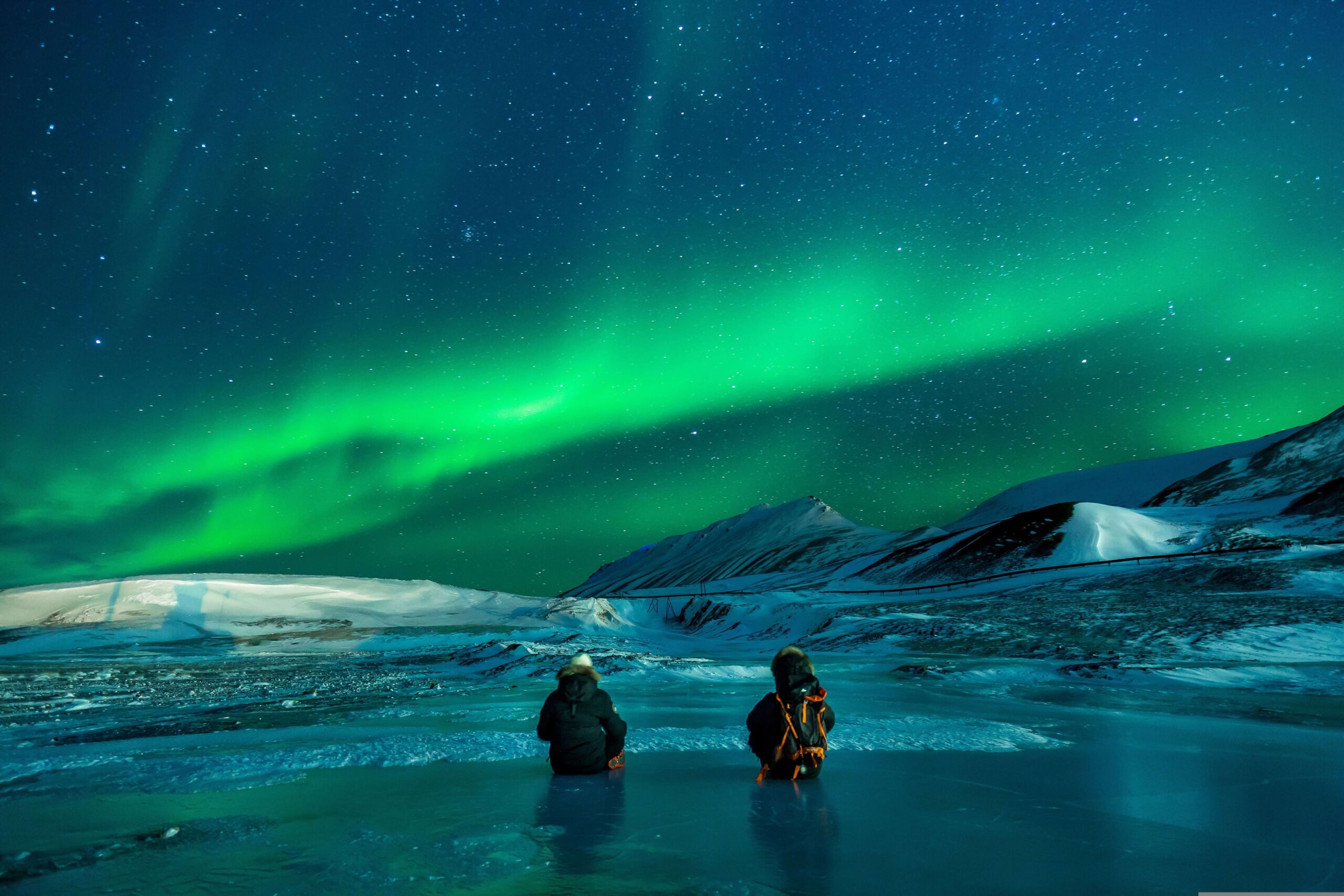
To be concise, the sun constantly hurls charged particles toward Earth. When those particles collide with gases in our upper atmosphere – funneled toward the poles by Earth’s magnetic field, the sky glows. Oxygen produces the classic green (and rarer red); nitrogen adds purples and blues.
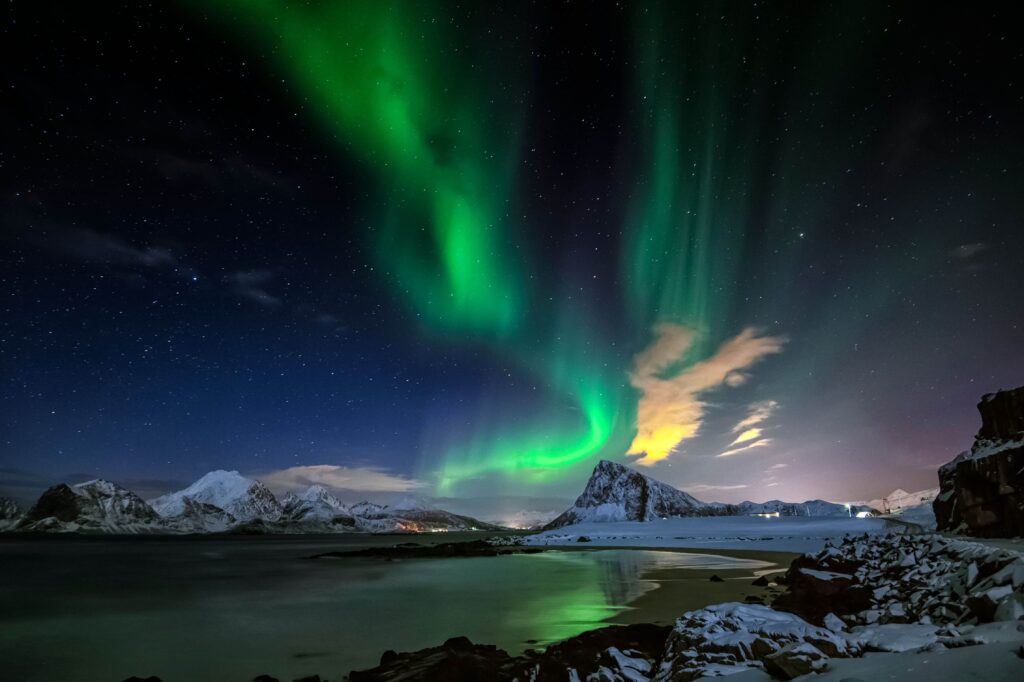
The crucial detail for travelers: aurora activity follows the sun’s roughly 11-year solar cycle. We’re currently near the peak of Solar Cycle 25, which means solar activity and therefore aurora displays has been unusually strong. Displays in this period have been so powerful that auroras were spotted much farther south than normal. Translation: the mid-2020s are a golden window for aurora hunting, and 2026 is still very much inside it.
Why September to December Is Prime Time
A common misconception is that the aurora only happens in winter. It actually happens year-round, you just can’t see it without dark skies, and the Arctic summer’s midnight sun washes it out completely. September marks the moment darkness returns to the north, and demand explodes for a few reasons:
Darkness without the deep freeze. In September and October, northern Norway and Iceland hover around a manageable 0–10°C (32–50°F) a world away from January’s brutal cold. You get aurora-dark skies while hiking in a regular jacket.
The equinox effect. Geomagnetic activity statistically spikes around the equinoxes, and the September equinox is one of the most active aurora periods of the year. Scientists attribute this to the alignment between Earth’s magnetic field and the solar wind.
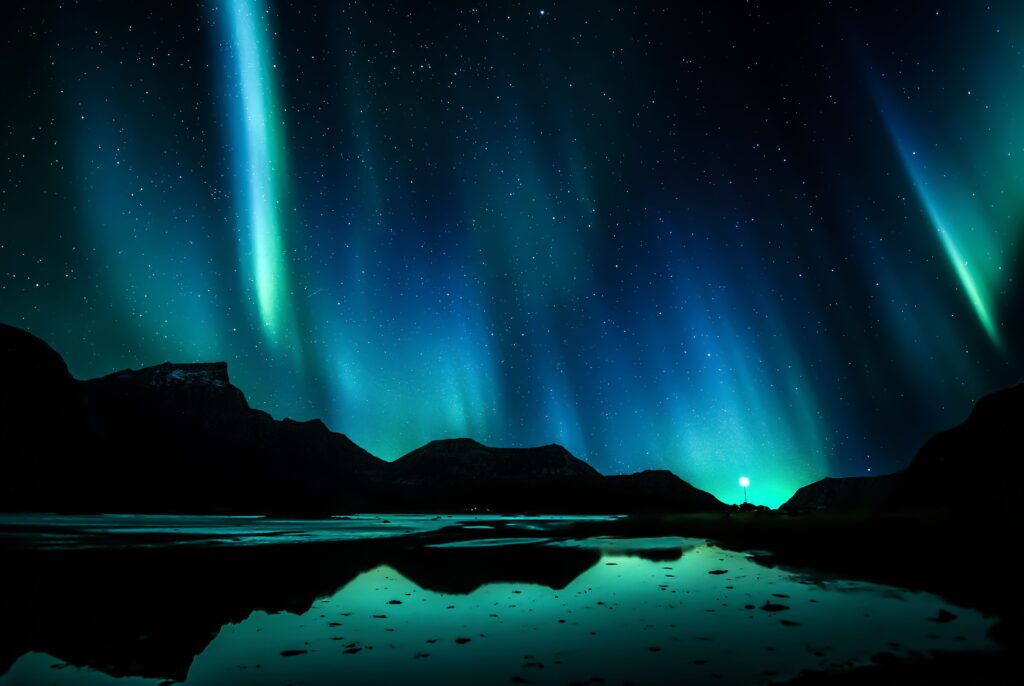
Autumn scenery and reflections. Early-season hunters get a bonus: auroras reflected in lakes and fjords that aren’t yet frozen, framed by golden autumn tundra. Photographers plan whole trips around this.
The Christmas factor. By November and December, Lapland’s aurora season merges with the Santa Claus tourism machine in places like Rovaniemi, Finland families combine reindeer, husky sledding, and Santa’s village with lights hunting, and the region books out months ahead.
The Best Places to See Them (For Every Budget)
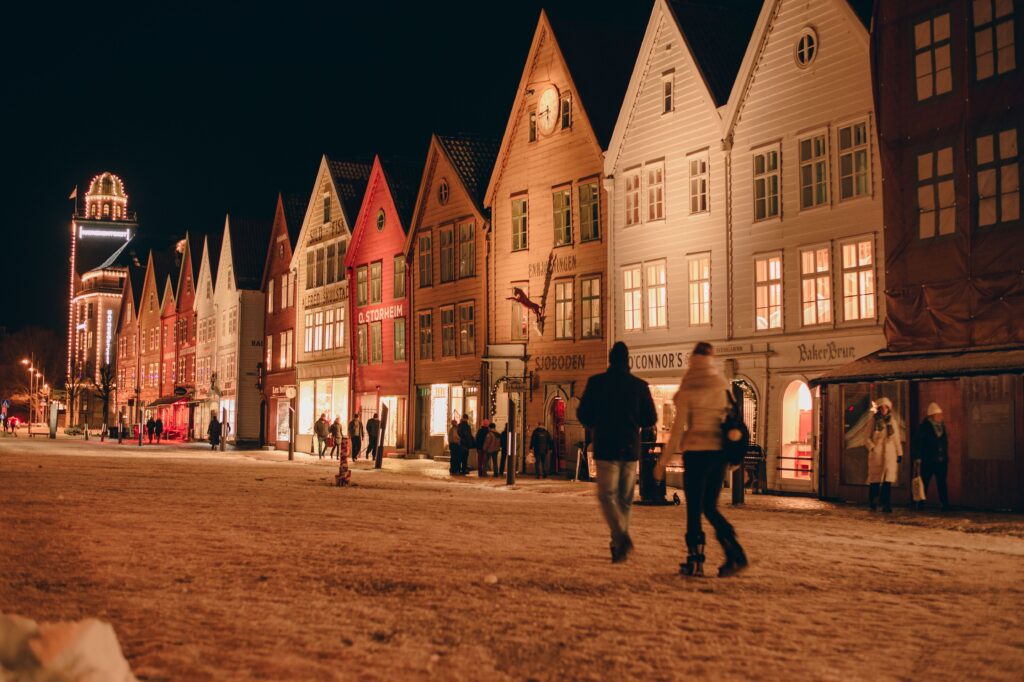
Tromsø, Norway – the aurora capital. Sitting directly under the auroral oval at 69° north, Tromsø offers the highest hit-rate of any easily accessible city, plus a lively food and culture scene for cloudy nights. Norway is pricey, but guided minibus chases (which drive to wherever skies are clear) dramatically boost your odds.
Icelandic Ring Road, the road-tripper’s pick. Iceland’s advantage is freedom: rent a car, check the Icelandic Met Office’s aurora forecast each evening, and drive out of Reykjavík’s light pollution. Budget travelers can self-drive and skip tours entirely.
Finnish Lapland, the bucket-list stay. This is the land of glass igloos and aurora cabins, where you watch the sky from bed. It’s a splurge, but Finland also has affordable options: the town of Rovaniemi has hostels and guesthouses, and the aurora is free for anyone willing to walk away from the streetlights.
Swedish Lapland (Abisko), the statistical champion. Tiny Abisko sits in a rain-shadow “blue hole” that gives it some of the clearest skies in the Arctic, many aurora veterans call it the single most reliable spot on Earth.
Alaska & Canada (Fairbanks, Yellowknife), the North American option. Fairbanks, Alaska and Yellowknife, Canada both sit under the auroral oval with strong viewing statistics and long, dark, often-clear winter nights.
How to Actually See Them: 7 Rules of Aurora Hunting
- Stay at least 3–4 nights. The aurora doesn’t perform on schedule; clouds are your real enemy. More nights = dramatically better odds.
- Get away from city lights. Even a 15-minute drive out of town transforms what you can see.
- Watch the forecasts. Use a KP-index aurora app plus the local cloud forecast; chase clear skies, not just strong activity.
- Peak hours are roughly 9 pm to 2 am. Set an alarm, nap early, and be ready to run outside.
- Look north and be patient. Displays often start as a faint grey-green arc your camera sees before your eyes do.
- Bring a tripod. Phone cameras (night mode, 3–10 second exposure) now capture the aurora surprisingly well but only if they’re held still.
- Dress for standing, not walking. Aurora watching means standing motionless in the cold; layer up far beyond what feels reasonable indoors.
Can You Do an Aurora Trip on a Budget?
With the right strategy. The lights themselves are free; what costs money is the Arctic. The budget formula: fly into a hub with cheap connections (Reykjavík, Tromsø via Oslo, or Rovaniemi via Helsinki), travel in late September or October when it’s cheaper and warmer than the December peak, book guesthouses or hostels instead of glass igloos, and self-hunt with a rental car or public bus to dark areas rather than paying for a tour every night. One guided chase on your first night to learn the ropes, then DIY the rest, is a smart hybrid, you can also plan you trips using WegoTrip or Klook or Go City
Frequently Asked Questions
Are the Northern Lights guaranteed? No, they’re a natural phenomenon dependent on solar activity and clear skies. But in prime locations during September–March, staying 4+ nights gives you very strong odds, especially near solar maximum.
Is 2026 a good year to see the aurora? Yes. Solar activity remains elevated near the peak of the current solar cycle, producing frequent, strong displays across the aurora zone.
Do I need a professional camera? Not anymore. Recent phones with night mode capture impressive aurora shots on a tripod. A mirrorless/DSLR with a wide, fast lens still wins for print-quality photos.
Which month is best? For comfort and lake reflections: September–October. For snowy postcard scenery, husky sledding, and Christmas magic: late November–December. For pure darkness: December–February.
Prefer sunshine to snow? See our 10 Best Summer Vacation Destinations Under $1,000. Planning Europe on a budget? Don’t miss Is the UK Still Worth It in 2026?.