Top 10 Best Things to Do in Australia: The Australian Travel Guide

Australia recorded 8.5 million international visitor trips in the year ending March 2026, up 20% on the year before, with visitors spending AUD 40.9 billion in the country over the same period, according to Tourism Research Australia. Sydney alone welcomed 3.9 million of those visitors, who spent AUD 13.9 billion in the city.
That kind of growth means one thing for a first-time visitor: Australia rewards planning, not improvising. This guide covers the 10 best things to do in Australia, with what each one actually costs, what to eat while you’re there, and where the trade-offs are.
By the end, picking your own version of the 10 best things to do in Australia should feel far less overwhelming than it does right now.
Table of Contents
The Top 10 Best Things to Do in Australia
1. Sydney
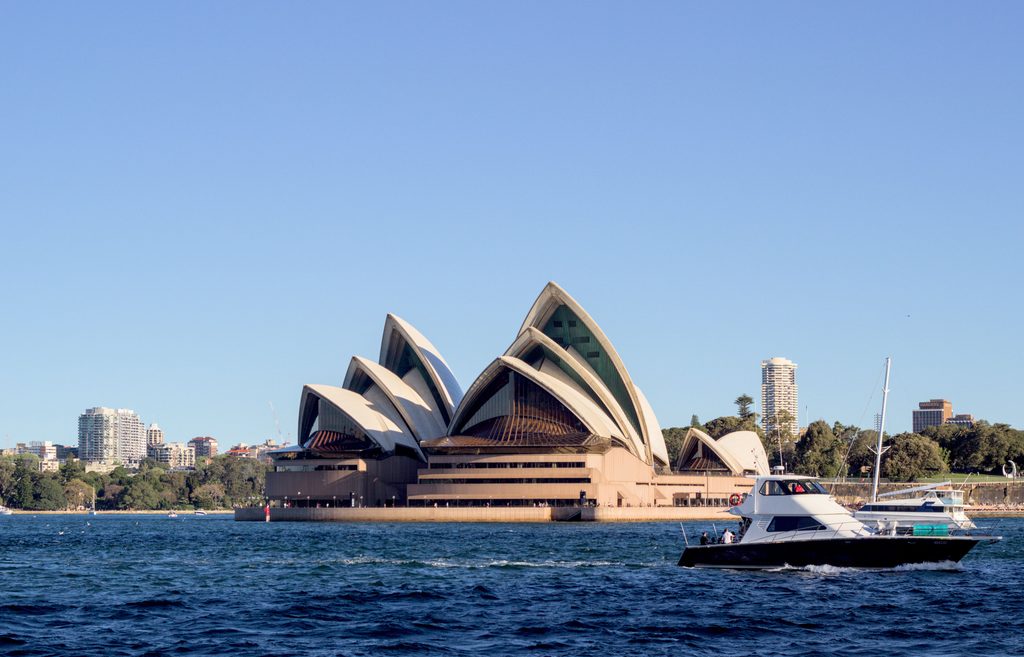
The Sydney Opera House, opened in 1973 after 14 years of construction, and the Harbour Bridge, completed in 1932, together form the most photographed skyline in the Southern Hemisphere.
- Best fit: First-timers wanting an iconic city start.
- Don’t miss: A Harbour Bridge Climb or an Opera House tour, both bookable through Destination NSW.
- Cost for a week: $1,900–3,600.
- The food: Fresh seafood at the Sydney Fish Market.
- Pros/Cons: Unbeatable harbour views, but among the most expensive cities in the country.
2. Great Barrier Reef
Stretching 2,300 kilometres and visible from space, the Great Barrier Reef became a UNESCO World Heritage Site in 1981 and remains one of the most biodiverse marine ecosystems on Earth.
- Best fit: Snorkelers and divers of any skill level.
- Don’t miss: A day trip to the outer reef from Cairns or Port Douglas.
- Cost for a week: $1,600–3,000.
- The food: Fresh-caught barramundi, a genuine Queensland specialty.
- Pros/Cons: World-class marine life, but the reef experienced mass coral bleaching in 2024. and 2025, according to the Australian Institute of Marine Science, so health varies noticeably by site ask your operator which reefs they visit.

3. Uluru
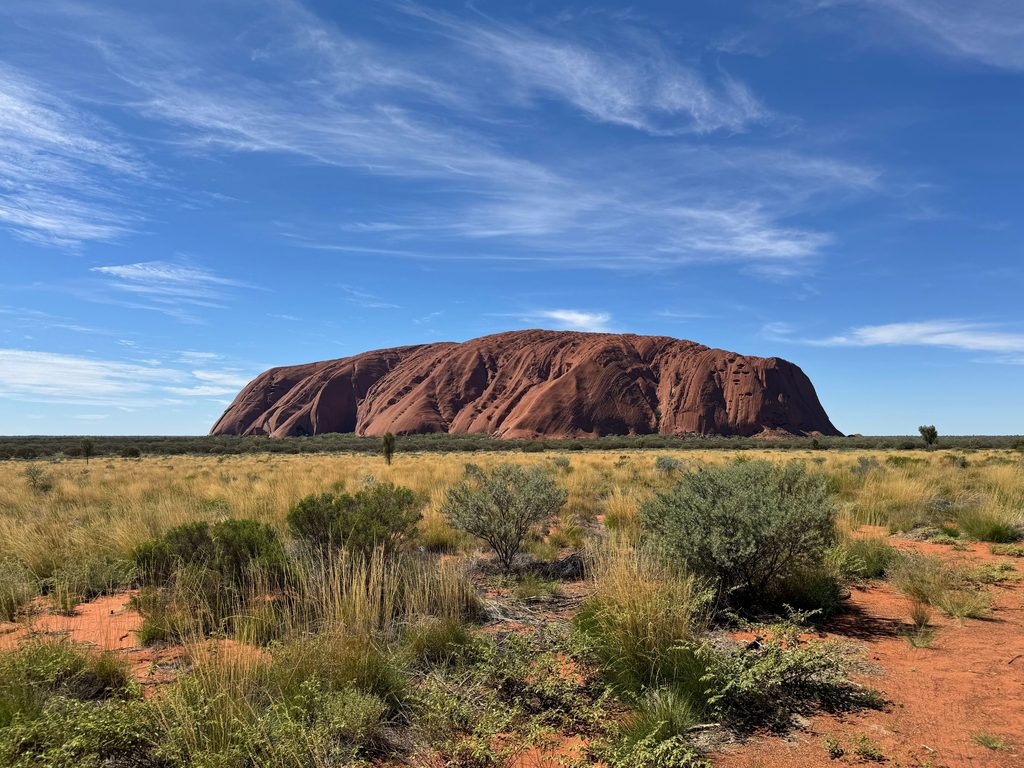
This single sandstone monolith, sacred to the Anangu traditional owners, has been formally closed to climbers since 2019, shifting the experience toward walking around its base instead.
- Best fit: Culture-focused travellers and photographers.
- Don’t miss: Sunset at Uluru, when the rock shifts through shades of red.
- Cost for a week: $1,800–3,200 — remoteness drives costs up here more than almost anywhere else on this list.
- The food: Native “bush tucker” tastings, including wattleseed and quandong.
- Pros/Cons: A genuinely spiritual, unique landscape, but remote and expensive to reach.
4. Melbourne
Australia’s cultural capital built its identity on hidden laneways and a coffee culture introduced by post-war Italian and Greek immigrants.
- Best fit: Foodies and culture-focused travellers.
- Don’t miss: Hosier Lane’s street art, paired with a proper laneway coffee.
- Cost for a week: $1,700–3,200.
- The food: A flat white and Melbourne’s famous laneway brunch scene.
- Pros/Cons: Unmatched food and arts scene, but famously unpredictable weather, even in summer.
5. Great Ocean Road
Built partly by returned WWI soldiers between 1919 and 1932, this coastal route leads to the Twelve Apostles, limestone stacks still being reshaped by the Southern Ocean today.
- Best fit: Road-trippers.
- Don’t miss: The Twelve Apostles at sunrise, before the tour buses arrive.
- Cost for a week: $1,400–2,600.
- The food: Fresh oysters from Apollo Bay.
- Pros/Cons: Dramatic coastal scenery, but the drive takes real time to do properly rushing it defeats the point.
6. Whitsunday Islands
The Whitsunday Islands are a group of 74 islands scattered across the Coral Sea, with Whitehaven Beach’s near-pure silica sand ranked among the whitest in the world.
- Best fit: Couples and beach lovers.
- Don’t miss: The swirled sand-and-water lookout at Hill Inlet.
- Cost for a week: $1,800–3,400.
- The food: A sailing-trip seafood barbecue, a genuine local specialty.
- Pros/Cons: Postcard-perfect beaches, but access requires a boat or seaplane, adding cost and planning.

7. Tasmania
Separated from mainland Australia roughly 10,000 years ago, Tasmania’s isolation preserved wilderness found nowhere else in the country.
- Best fit: Hikers and wildlife spotters.
- Don’t miss: the Dove Lake circuit at Cradle Mountain.
- Cost for a week: $1,300–2,400.
- The food: Fresh Tasmanian salmon and local artisan cheese.
- Pros/Cons: genuine, uncrowded wilderness, but limited flight options keep it less accessible than the mainland.
8. Kakadu National Park
Australia’s largest national park, managed with Parks Australia, holds Aboriginal rock art sites dating back tens of thousands of years among the longest continuous art records on Earth.
- Best fit: Culture and wildlife-focused travellers.
- Don’t miss: T.he rock art galleries at Ubirr.
- Cost for a week: $1,500–2,800.
- The food: Barramundi, caught fresh from the park’s own wetlands.
- Pros/Cons: Deep cultural and natural significance, but the wet season (November–April) closes many roads.
9. Gold Coast
Purpose-built as a beach resort destination from the 1950s onward, the Gold Coast now blends 57 kilometres of coastline with Australia’s biggest cluster of theme parks.
- Best fit: Families and theme park fans.
- Don’t miss: A surf lesson at Surfers Paradise.
- Cost for a week: $1,300–2,500.
- The food: Classic beachside fish and chips.
- Pros/Cons: Easy, family-friendly fun, but can feel touristy compared to quieter beaches nearby.
10. Blue Mountains
Named for the blue haze eucalyptus oil creates in the air, this range stumped colonial explorers for 25 years before a route across it was finally found in 1813.
- Best fit: Day-trippers based in Sydney.
- Don’t miss: The Three Sisters rock formation at Echo Point.
- Cost for a week: $1,200–2,200.
- The food: A Devonshire tea at a Leura café.
- Pros/Cons: Easy access from Sydney, but can get genuinely crowded on weekends.
Best Australian Destinations at a Glance
Picking from the 10 best things to do in Australia gets easier once you think in terms of region and travel style rather than a flat list.
If you’re building an Australia travel guide 2027 itinerary and weighing the best places to visit in Australia against a limited number of days, a rough pattern holds: the best Australian cities to visit Sydney and Melbourne suit culture-first trips, the best national parks in Australia (Kakadu, and the wilderness of Tasmania) suit nature-first itineraries, and the Gold Coast and Whitsundays suit travellers prioritising beach time.
Among top Australian landmarks and iconic places in Australia, the Sydney Opera House, the Great Barrier Reef, and Uluru remain the three most recognisable, and each represents a genuinely different side of the country.
Whether you’re gathering Australia vacation ideas for a family trip or picking the best Australia destinations for first-time visitors on a solo trip, these 10 things to see in Australia cover the full range the country actually offers.
Cost of a Week in Australia
Costs vary by region, and remoteness matters more here than in most countries. As a rough national range, per person, excluding international flights:
- Budget: $900–1,500/week — hostels, self-catering, public transport.
- Mid-range: $1,500–2,800/week — 3-star hotels, sit-down meals, a mix of paid tours.
- Luxury: $3,500+/week — 4- to 5-star hotels, fine dining, private tours.
Remote destinations like Uluru, Kakadu, and the Whitsundays specifically cost meaningfully more than this range due to limited flight competition and fewer accommodation options, so budget extra if your itinerary includes more than one of them.
The Food You’ll Actually Eat
Australian food to try reflects genuine multicultural layering British tradition, waves of Italian, Greek, Vietnamese, and Lebanese immigration, and native “bush tucker” ingredients, all at once.
A few things hold true nationally: brunch and coffee culture is a real national institution, not a cliché; fresh seafood is excellent virtually everywhere given the coastline; and tipping isn’t expected the way it is in the US, since service staff are paid a proper minimum wage.
Where to Start
If you only have one trip, pair one major city (Sydney or Melbourne) with one natural wonder (the Great Barrier Reef or Uluru) for a combination that captures both sides of what makes this list of things to see in Australia worth exploring.
Spring (September–November) and autumn (March–May) are generally the best time to visit Australia overall, avoiding both summer crowds on the coast and the wet season up north.
Whatever combination of things to do in Australia you settle on, that seasonal timing is what turns the 10 best things to do in Australia from an overwhelming list into an actual, plannable trip.
FAQs on The 10 Best things to Do in Australia
Q1. What are the best things to do in Australia for first-time visitors?
Sydney and Melbourne cover Australia’s city culture in a way that’s easy to combine into one trip, while the Great Barrier Reef or Uluru add an iconic natural-wonder leg for travellers with extra time. The Gold Coast and Blue Mountains work well as easier add-ons close to major cities, while Tasmania and Kakadu suit travellers wanting deeper wilderness and cultural experiences. Most first-timers do better picking one region, the east coast, the Red Centre, or Tasmania, rather than trying to cover the entire country in one trip.
Q2. How much does a week in Australia cost?
A week in Australia in 2026 runs roughly $900–1,500 per person on a budget trip, $1,500–2,800 for mid-range travel, and $3,500 or more for a luxury trip, excluding international flights. Costs vary significantly by region remote destinations like Uluru, Kakadu, and the Whitsundays cost noticeably more due to limited flight competition and fewer accommodation options. Major cities like Sydney and Melbourne sit toward the higher end of the mid-range bracket for most travellers.
Q3. Is the Great Barrier Reef still worth visiting?
Yes. The reef experienced mass coral bleaching events in 2024 and 2025, and a 2026 UNESCO World Heritage Committee review raised concerns about declining coral cover, though it stopped short of an “in danger” listing. Coral health varies noticeably by specific site, and a cooler 2026 monsoon season aided partial recovery in several regions. Choosing an operator that visits healthier outer-reef sites, rather than assuming every part of the reef looks the same, makes a real difference to what you’ll actually see.
Q4. Can you still climb Uluru?
No. Climbing Uluru has been formally banned since 2019, out of respect for the Anangu traditional owners, for whom the site holds deep spiritual significance. Visitors now experience Uluru by walking around its base, joining a ranger-guided cultural walk, or watching it change colour at sunrise and sunset. This isn’t a recent restriction or a temporary closure, it’s settled, permanent policy.
Q5. What is the best time of year to visit Australia?
Spring (September–November) and autumn (March–May) generally offer the most comfortable weather across the most popular regions, avoiding both peak summer crowds on the coast and the northern wet season. If you’re specifically visiting Kakadu or other Northern Territory destinations, aim for the dry season (May–October), since the wet season closes many roads. The Great Barrier Reef and Whitsundays are enjoyable nearly year-round, though cyclone season (November–April) is worth checking before booking.
Read More:
- Australian Scholarships for International Students 2027: Requirements, Fully Funded Opportunities & How to Apply
- 10 Most Difficult Countries to Enter in 2027
- The Top 10 Best Things to Do in the United States 2027: The US Travel Guide
If you found this article interesting, leave a comment for us below, and we will respond shortly.